



Sacred Ganges River at Varanasi during evening aarti
๐ŸŒŠ Geotopia Encyclopedia โ€ข Geography of Bharat

The Sacred Rivers
of Bharat

From the eternal snows of the Himalayas to the ancient plateaus of the Deccan, India's rivers have shaped civilizations, sustained billions of lives, and remained the spiritual lifelines of a timeless culture for over 5,000 years.

Total Major Rivers 400+
Longest River Ganga โ€ข 2,525 km
Population Dependent 1.4 Billion
Sacred Rivers Sapta Sindhava โ€ข 7
Scroll to Explore โ†“
๐Ÿ”๏ธ
12
Himalayan Rivers
๐ŸŒ„
8
Peninsular Rivers
๐Ÿ–๏ธ
44
Coastal Rivers
๐Ÿ“
2,525
Longest (km)
๐Ÿ—บ๏ธ
1.08M
Largest Basin (kmยฒ)
๐Ÿ‘ฅ
600M
Ganga Dependents
Understanding River Systems

The Lifeblood of a Civilization

India's river systems are not merely geographical features โ€” they are the arteries of an ancient civilization, shaping everything from agriculture and commerce to spirituality and culture.

India possesses one of the largest and most complex river systems in the world. With over 400 rivers draining an area of 3.29 million square kilometers, these waterways form the backbone of the nation's agriculture, industry, and daily life. The river systems can be broadly classified into two major categories: the Himalayan rivers originating from the mighty Himalayas, and the Peninsular rivers emerging from the Western and Eastern Ghats.

The Himalayan rivers are perennial โ€” they flow throughout the year, fed by both monsoon rains and melting glaciers. In contrast, the Peninsular rivers are largely seasonal, dependent on the southwest monsoon for their water supply. This fundamental difference shapes everything from agriculture practices to hydroelectric potential along their courses.

Beyond their economic importance, rivers hold profound spiritual significance in Indian culture. The concept of "Sapta Sindhava" (Seven Rivers) dates back to the Rigveda, highlighting the sacred relationship between Indians and their waterways. Millions undertake pilgrimages to bathe in holy rivers, believing that the waters possess the power to cleanse sins and grant salvation.

Today, India's rivers face unprecedented challenges โ€” from pollution and over-extraction to the impacts of climate change on Himalayan glaciers. Understanding these river systems is crucial not just for academic purposes, but for the future sustainability of one of the world's most populous nations.

๐Ÿ“š

Key Terms

  • ๐Ÿ”๏ธ Source / Origin
    The starting point of a river โ€” typically a glacier, spring, or lake in mountains.
  • โž• Tributary
    A smaller river or stream that flows INTO a larger river, adding to its volume.
  • โž— Distributary
    A branch that flows AWAY from the main river, typically found in deltas.
  • ๐Ÿ”บ Delta
    Triangular landform created when a river deposits sediment at its mouth.
  • ๐ŸŒŠ Estuary
    Where river meets sea โ€” freshwater mixes with saltwater. Tidal influence.
  • ๐Ÿ—บ๏ธ Basin / Catchment
    Total land area drained by a river and all its tributaries.

๐Ÿ“Š Classification of Indian Rivers

Category Origin Flow Pattern Key Examples Characteristics
Himalayan Rivers Himalayan glaciers & snowfields Perennial Ganga, Brahmaputra, Indus, Yamuna Snow-fed, large volume, long courses, form deltas
Peninsular East-Flowing Western Ghats / Central Highlands Seasonal Godavari, Krishna, Kaveri, Mahanadi Rain-fed, flow into Bay of Bengal, form deltas
Peninsular West-Flowing Western Ghats / Satpura-Vindhya Seasonal Narmada, Tapti, Mahi, Sabarmati Flow in rift valleys, form estuaries, shorter courses
Coastal Rivers Western / Eastern Ghats Seasonal Periyar, Sharavathi, Netravati, Zuari Short, swift, steep gradient, small basins
Inland Drainage Arid regions of Rajasthan Ephemeral Luni, Ghaggar, Saraswati (seasonal) Do not reach sea, lose water to desert sands
Perennial River Systems

๐Ÿ”๏ธ Himalayan Rivers

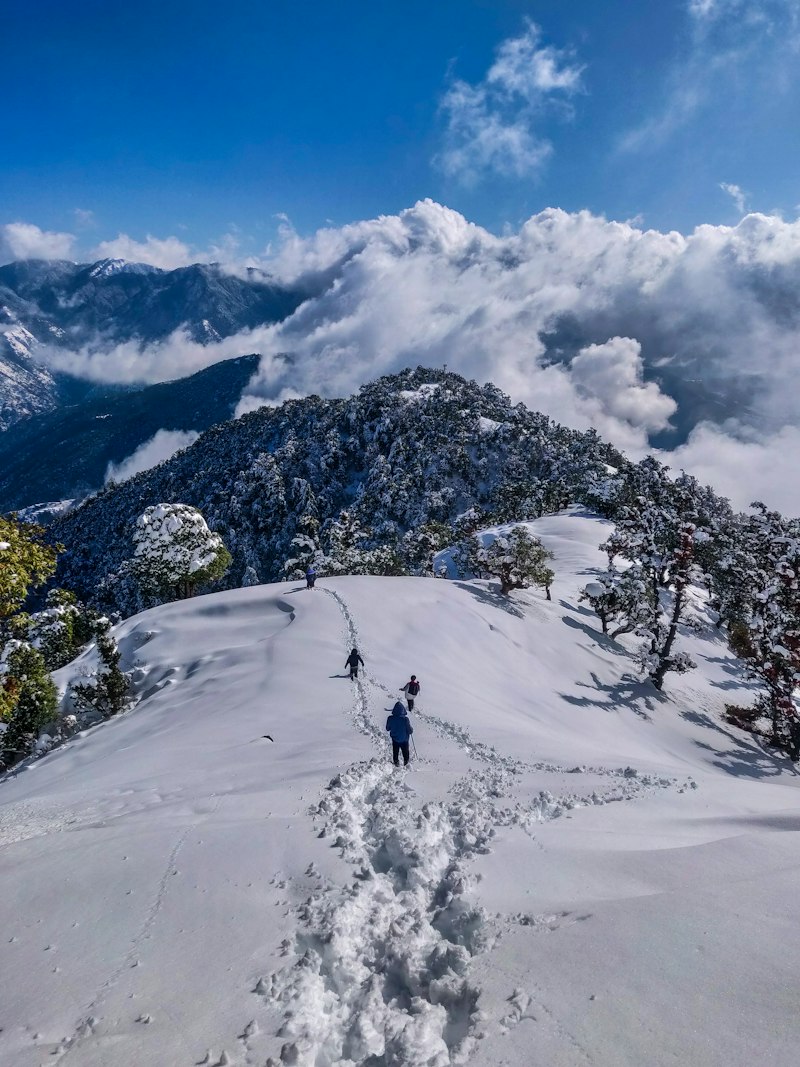
Born from glaciers and eternal snows at altitudes above 4,000 meters, these mighty rivers flow year-round, sustaining the densest human populations on Earth across the Indo-Gangetic plains.

Ganga River at Varanasi
Sacred Himalayan
โ†’

Ganga (Ganges)

เค—เค‚เค—เคพ โ€ข "The Purifier" โ€ข Maa Ganga

The most sacred river of Hinduism, flowing 2,525 km from the Gangotri Glacier to the Bay of Bengal. Mother Ganga sustains 600 million people and countless civilizations across the most fertile plains on Earth.

Length
2,525 km
Basin Area
1.08M kmยฒ
Origin
Gangotri Glacier
Mouth
Bay of Bengal
Brahmaputra River
Trans-Himalayan
โ†’

Brahmaputra

เคฌเฅเคฐเคนเฅเคฎเคชเฅเคคเฅเคฐ โ€ข "Son of Brahma" โ€ข Luit (Assamese)

One of the world's mightiest rivers, originating in Tibet as Yarlung Tsangpo. It carves the deepest canyon on Earth, flows through India and Bangladesh, known for massive water discharge and devastating floods.

Total Length
2,900 km
Length in India
916 km
Origin
Angsi Glacier
Discharge
19,800 mยณ/s
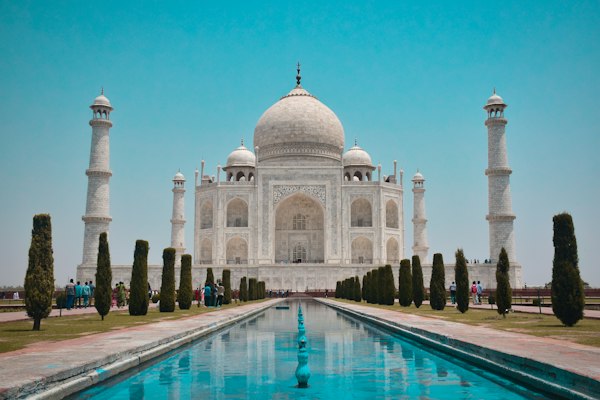
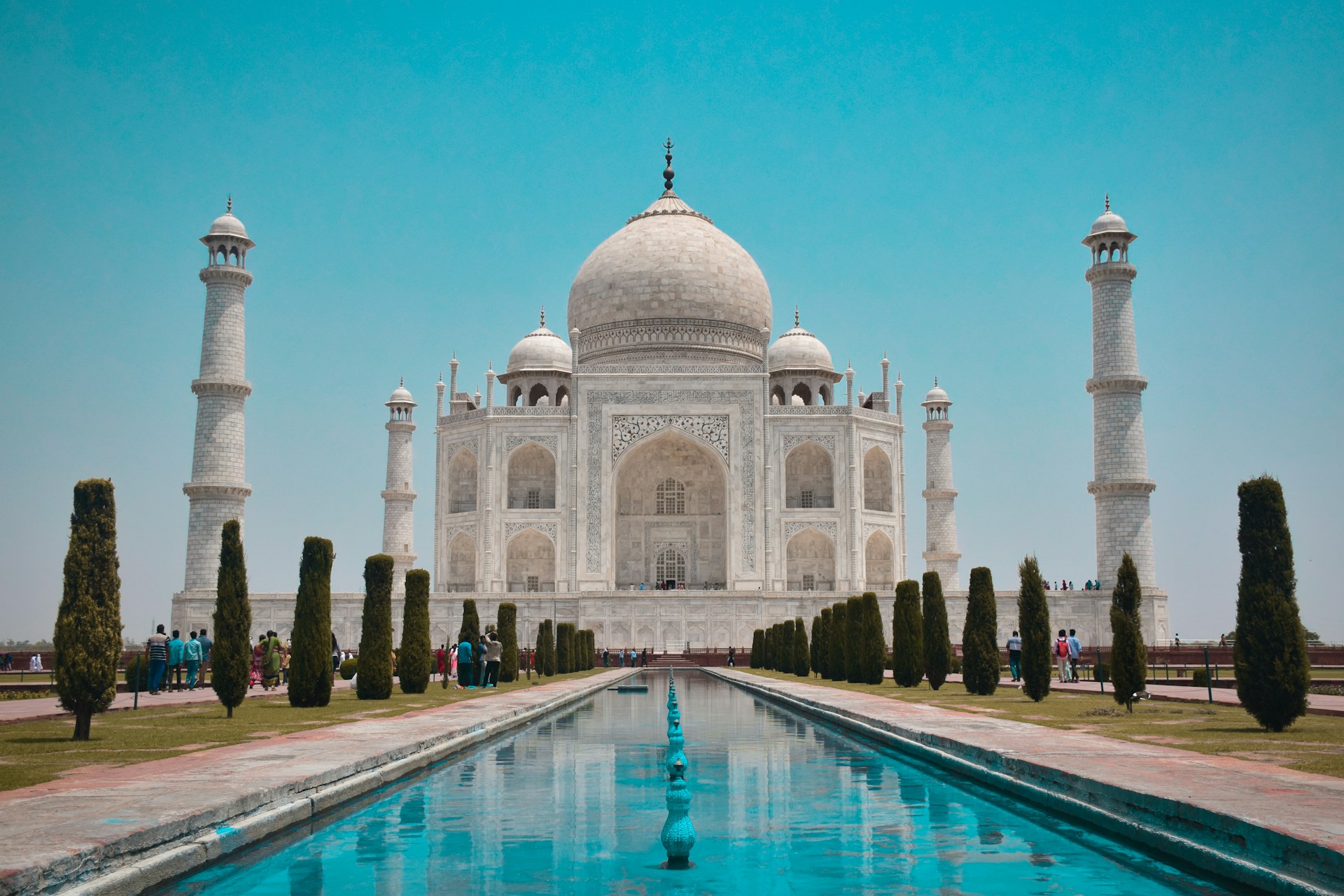
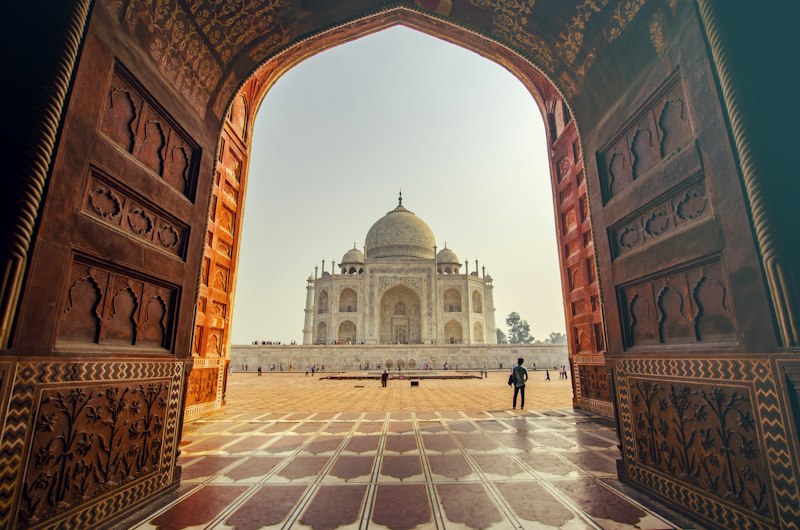
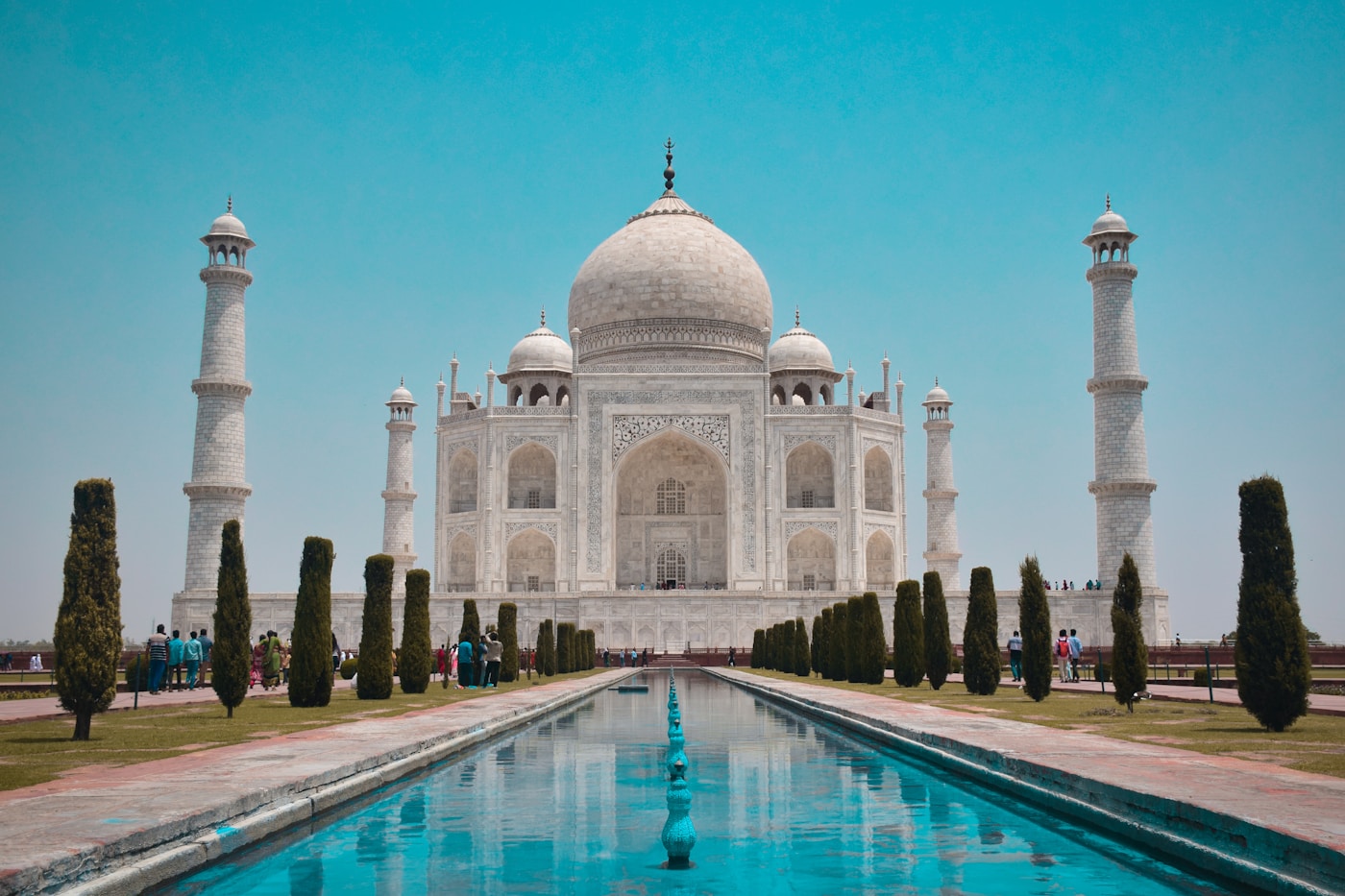
Yamuna River at Taj Mahal
Sacred Himalayan
โ†’

Yamuna

เคฏเคฎเฅเคจเคพ โ€ข "The Twin Sister" โ€ข Jamuna

The largest tributary of the Ganga, originating from Yamunotri glacier. Flows through Delhi, Agra, and Mathura โ€” cities central to Indian history. Sacred in Hindu mythology as daughter of Sun God and sister of Yama.

Length
1,376 km
Basin Area
366,223 kmยฒ
Origin
Yamunotri
Joins Ganga
Prayagraj
Indus River in Ladakh
Ancient Civilization
โ†’

Indus (Sindhu)

เคธเคฟเคจเฅเคงเฅ โ€ข "The Great River" โ€ข Sengge Khabab (Tibetan)

One of Asia's longest rivers and cradle of the Indus Valley Civilization (3300-1300 BCE). The name "India" and "Hindu" derive from this river. Flows through Tibet, India (J&K, Ladakh), and Pakistan before meeting the Arabian Sea.

Total Length
3,180 km
Length in India
1,114 km
Origin
Mt. Kailash
Mouth
Arabian Sea
Seasonal River Systems

๐ŸŒ„ Peninsular Rivers

Emerging from the ancient plateaus and ghats of Peninsular India, these rain-fed rivers flow through hard rock terrain. Though seasonal, they have sustained Deccan civilizations for millennia and remain vital to southern and central India.

Godavari River
Dakshin Ganga Peninsular
โ†’

Godavari

เค—เฅ‹เคฆเคพเคตเคฐเฅ€ โ€ข "Ganga of the South" โ€ข Vridha Ganga

The longest peninsular river and second-largest river basin in India after Ganga. Originating at Trimbakeshwar near Nashik, Maharashtra, it is revered as Dakshin Ganga and hosts the Pushkaram festival every 12 years.

Length
1,465 km
Basin Area
312,812 kmยฒ
Origin
Trimbakeshwar
Mouth
Bay of Bengal
Krishna River
Major Irrigation
โ†’

Krishna

เค•เฅƒเคทเฅเคฃเคพ โ€ข "The Dark One" โ€ข Krishnaveni

The second-longest peninsular river, originating from a spring near the Mahabaleshwar temple. Major irrigation source for Karnataka, Telangana, and Andhra Pradesh, home to massive dams including Nagarjuna Sagar and Srisailam.

Length
1,400 km
Basin Area
258,948 kmยฒ
Origin
Mahabaleshwar
Mouth
Bay of Bengal
Narmada River Marble Rocks
Sacred West-Flowing
โ†’

Narmada

เคจเคฐเฅเคฎเคฆเคพ โ€ข "The Delightful" โ€ข Rewa

The largest west-flowing river of peninsular India, flowing through a rift valley between Vindhya and Satpura ranges. Famous for the stunning marble rocks at Bhedaghat, Jabalpur, and considered holier than even the Ganga by some traditions.

Length
1,312 km
Basin Area
98,796 kmยฒ
Origin
Amarkantak
Mouth
Gulf of Khambhat
Kaveri River
Ponni South India
โ†’

Kaveri (Cauvery)

เค•เคพเคตเฅ‡เคฐเฅ€ โ€ข "Ponni" (Tamil) โ€ข Dakshina Ganga

The sacred river of Karnataka and Tamil Nadu, originating at Talakaveri in Kodagu. Called "Ponni" (Golden Lady) in Tamil, it creates the fertile Cauvery Delta โ€” the rice bowl of South India. Subject of India's oldest water dispute.

Length
800 km
Basin Area
81,155 kmยฒ
Origin
Talakaveri
Mouth
Bay of Bengal
Mahanadi River
Great River
โ†’

Mahanadi

เคฎเคนเคพเคจเคฆเฅ€ โ€ข "The Great River"

Major east-flowing river of central-eastern India, originating in the highlands of Chhattisgarh. Known for devastating floods but also sustains extensive rice cultivation in Odisha. Home to the Hirakud Dam โ€” one of the world's longest earthen dams.

Length
858 km
Basin Area
141,589 kmยฒ
Origin
Sihawa, CG
Mouth
Bay of Bengal
Tapti River
West-Flowing
โ†’

Tapti (Tapi)

เคคเคพเคชเฅเคคเฅ€ โ€ข "Daughter of the Sun" โ€ข Surya Putri

The second major west-flowing river of peninsular India, running parallel to Narmada. In Hindu mythology, she is the daughter of Sun God (Surya) and sister of Shani (Saturn). Flows through MP, Maharashtra, and Gujarat.

Length
724 km
Basin Area
65,145 kmยฒ
Origin
Multai, MP
Mouth
Gulf of Khambhat
Interactive Visualization

River Systems of India

Explore the complete network of major rivers across the Indian subcontinent. Click on any river to view detailed information.

๐Ÿ—บ๏ธ Interactive River Map
Himalayan Rivers
East-Flowing Peninsular
West-Flowing Peninsular
Coastal Rivers
Comparative Analysis

๐Ÿ“Š River Comparison Matrix

A comprehensive comparison of India's major river systems by key parameters including length, basin area, discharge, and economic importance.

River Length (km) Basin (kmยฒ) Origin Type Drains Into States
Ganga 2,525 1,080,000 Gangotri Glacier Perennial Bay of Bengal 5
Indus 3,180 1,165,000 Mt. Kailash Perennial Arabian Sea 1 (India)
Brahmaputra 2,900 580,000 Angsi Glacier Perennial Bay of Bengal 2
Godavari 1,465 312,812 Trimbakeshwar Seasonal Bay of Bengal 7
Krishna 1,400 258,948 Mahabaleshwar Seasonal Bay of Bengal 4
Yamuna 1,376 366,223 Yamunotri Perennial Ganga (Prayagraj) 6
Narmada 1,312 98,796 Amarkantak Seasonal Arabian Sea 3
Mahanadi 858 141,589 Sihawa Hills Seasonal Bay of Bengal 3
Kaveri 800 81,155 Talakaveri Seasonal Bay of Bengal 3
Tapti 724 65,145 Multai Seasonal Arabian Sea 3
Spiritual Heritage

๐Ÿ•‰๏ธ Sapta Sindhava โ€” The Seven Sacred Rivers

In Hindu tradition, seven rivers are considered particularly sacred. Bathing in their waters is believed to cleanse sins and lead to moksha (liberation). This concept dates back to the Rigveda (c. 1500 BCE).

๐Ÿ“œ THE SACRED INVOCATION

"เค—เค‚เค—เฅ‡ เคš เคฏเคฎเฅเคจเฅ‡ เคšเฅˆเคต เค—เฅ‹เคฆเคพเคตเคฐเฅ€ เคธเคฐเคธเฅเคตเคคเฅ€ เฅค
เคจเคฐเฅเคฎเคฆเฅ‡ เคธเคฟเคจเฅเคงเฅ เค•เคพเคตเฅ‡เคฐเฅ€ เคœเคฒเฅ‡เคฝเคธเฅเคฎเคฟเคจเฅ เคธเคจเฅเคจเคฟเคงเคฟเค‚ เค•เฅเคฐเฅ เฅฅ"

"O Ganga, Yamuna, Godavari, Saraswati, Narmada, Sindhu, and Kaveri โ€” come and be present in this water."

1. เค—เค‚เค—เคพ Ganga

The holiest, believed to descend from heaven. Bathing removes all sins.

2. เคฏเคฎเฅเคจเคพ Yamuna

Sister of Yama, daughter of Sun. Associated with Lord Krishna's childhood.

3. เค—เฅ‹เคฆเคพเคตเคฐเฅ€ Godavari

The Ganga of the South, where Sage Gautama performed penance.

4. เคธเคฐเคธเฅเคตเคคเฅ€ Saraswati

The mythical underground river, flowing invisibly to join Ganga at Prayagraj.

5. เคจเคฐเฅเคฎเคฆเคพ Narmada

So pure that even Ganga comes to bathe in her waters. The Parikrama tradition.

6. เคธเคฟเคจเฅเคงเฅ Sindhu (Indus)

The river that gave India its name. Cradle of ancient civilization.

7. เค•เคพเคตเฅ‡เคฐเฅ€ Kaveri

Daughter of Brahma, wife of Sage Agastya. The lifeline of Tamil Nadu.

"The Ganga, especially, is the river of India, beloved of her people, round which are intertwined her memories, her hopes and fears, her songs of triumph, her victories and her defeats. She has been a symbol of India's age-long culture and civilization, ever-changing, ever-flowing, and yet ever the same Ganga."

โ€” Jawaharlal Nehru, Discovery of India (1946)