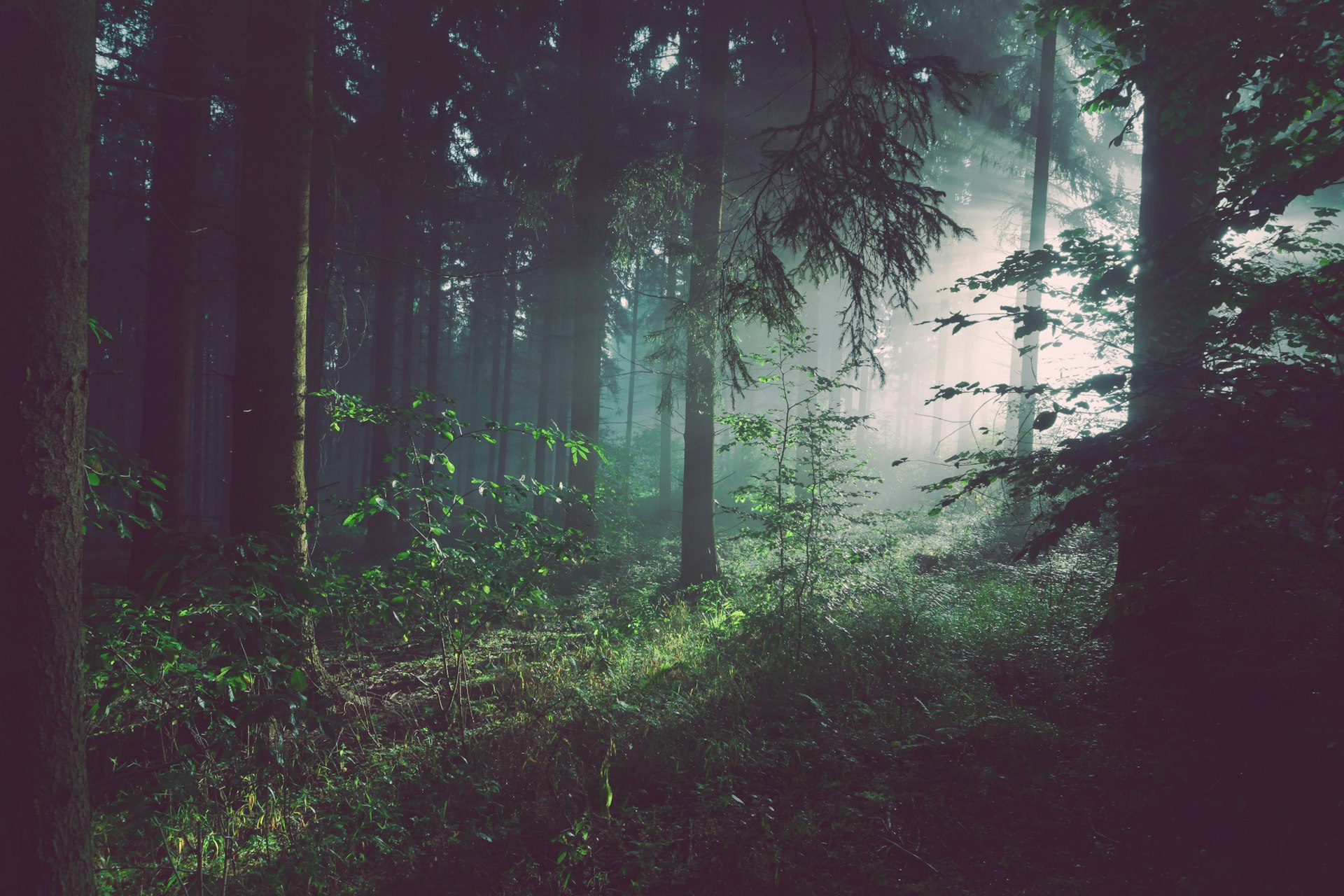
What is a Forest?
A forest is a large area dominated by trees and other woody vegetation, creating a complex ecosystem that supports an incredible diversity of life.
Forests are characterized by:
Tree Canopy
Trees form a continuous canopy that covers at least 10% of the area, creating distinct layers of vegetation.
Understory Vegetation
Shrubs, ferns, mosses, and smaller plants grow beneath the tree canopy, adapted to filtered light.
Rich Biodiversity
Forests support 80% of the world's terrestrial biodiversity, including countless species of plants, animals, fungi, and microorganisms.
Ecosystem Services
Forests regulate climate, purify water, prevent soil erosion, and produce the oxygen we breathe.
Forest Layers
Why Do Different Forests Exist?
The type of forest in any given location is determined by a combination of climate factors, geography, and evolutionary history.
Temperature
Average temperature determines which tree species can survive. Tropical forests thrive in warm climates, while boreal forests are adapted to cold temperatures.
Rainfall
Water availability is crucial. Rainforests receive over 2,000mm annually, while some temperate forests thrive with much less precipitation.
Latitude
Distance from the equator affects sunlight intensity and seasonal variations, directly influencing forest types from tropics to poles.
Altitude
Mountains create different climate zones at various elevations, resulting in distinct forest types from base to summit.
Proximity to Water
Coastal areas and river basins have unique conditions that create mangroves, swamp forests, and riparian woodlands.
Soil Type
Soil composition, depth, and drainage determine which trees can establish and thrive in any given area.
🌍 Global Forest Distribution
From the equator to the poles, climate conditions create distinct forest biomes
Types of Forests
Forests are classified based on climate, dominant tree species, and ecosystem characteristics. Here are the major forest types found around the world.
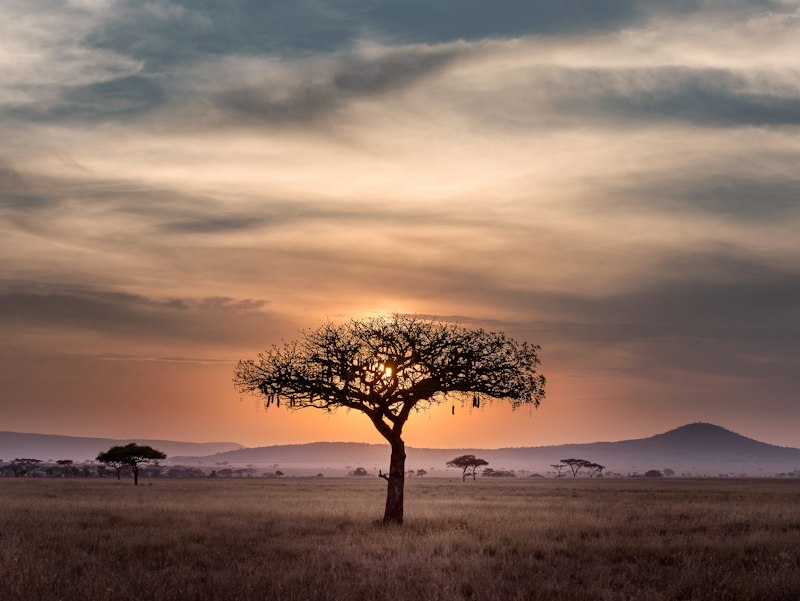
🌴 Tropical Rainforests
Located along the equator, these are Earth's most biodiverse ecosystems, receiving abundant rainfall year-round and maintaining warm temperatures.

🌿 Tropical Deciduous Forests (Monsoon Forests)
Found in regions with distinct wet and dry seasons, these forests shed their leaves during the dry period to conserve water.
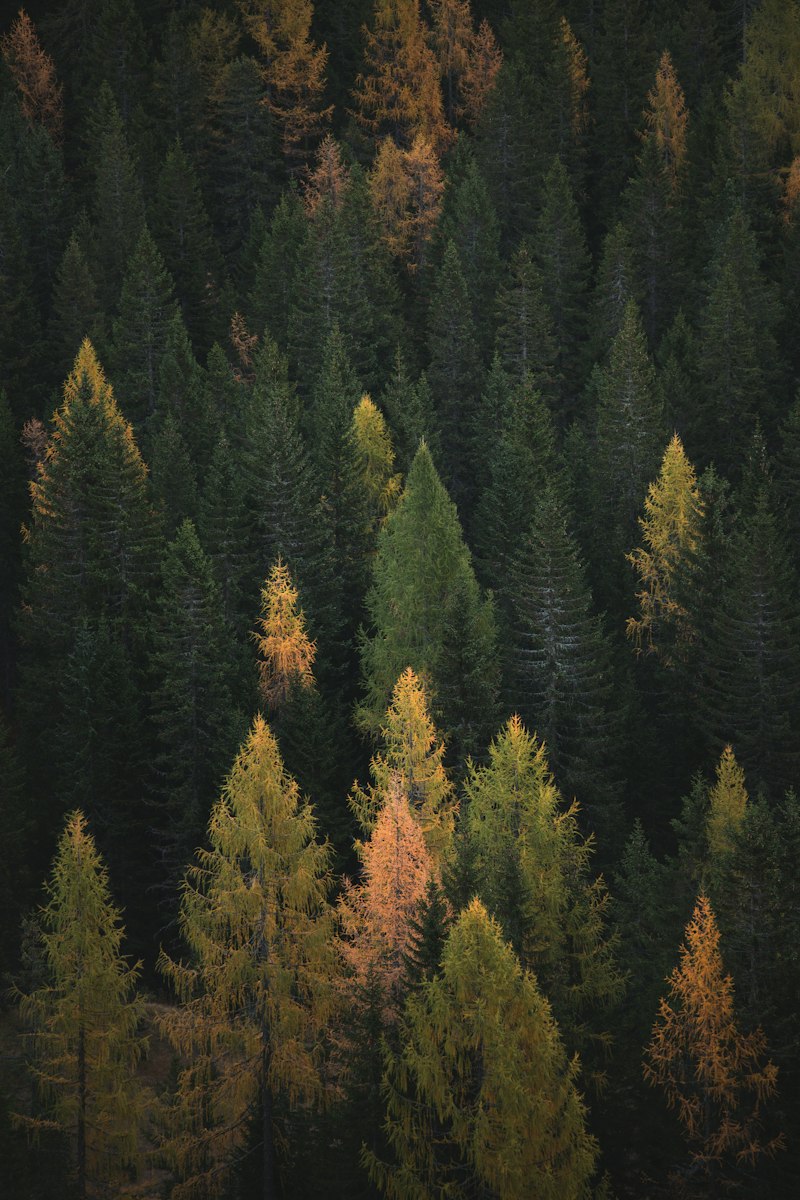
🍂 Temperate Forests
Found in mid-latitude regions with four distinct seasons, these forests experience warm summers and cold winters.
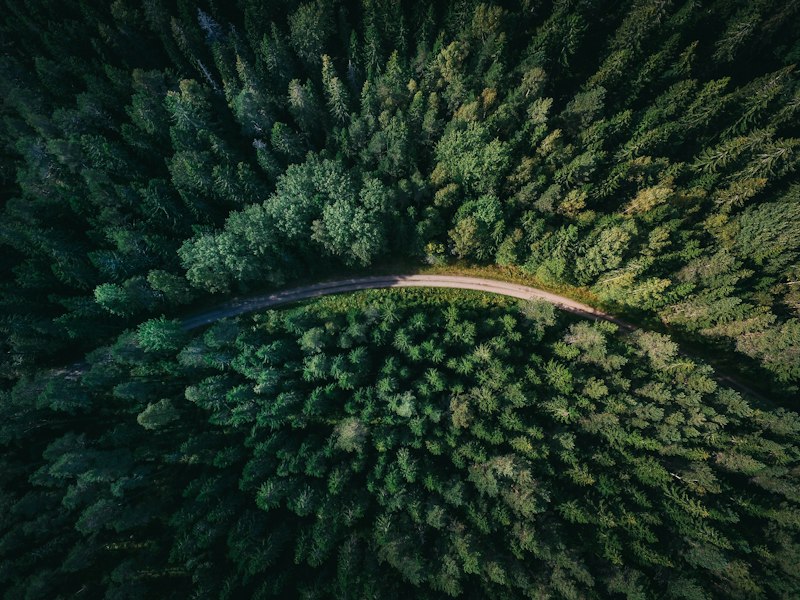
🌲 Boreal Forests (Taiga)
The world's largest terrestrial biome, stretching across the subarctic regions of North America, Europe, and Asia.

⛰️ Montane Forests (Mountain Forests)
Found at higher altitudes, these forests change character with elevation, from subtropical at the base to alpine near the summit.

🌊 Mangrove Forests (Tidal Forests)
Unique coastal forests found in tropical and subtropical tidal zones, with trees specially adapted to salt water and waterlogged soils.
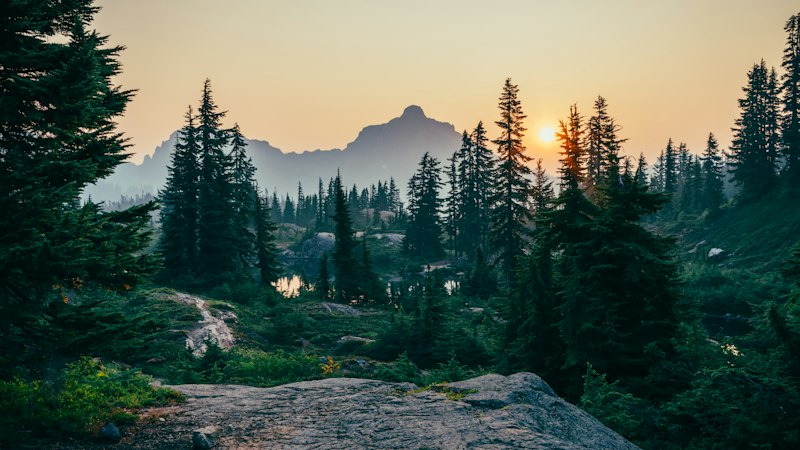
🌧️ Temperate Rainforests
Cool, moist forests receiving high rainfall, found in coastal regions with moderate temperatures and abundant moss and ferns.
Forest Density Classification
Forests are also classified by their canopy cover density, which indicates how much of the ground is shaded by tree canopies when viewed from above.
Very Dense Forest
Canopy cover of 70% or more. Dense, multilayered forest with minimal light reaching the forest floor.
Moderately Dense Forest
Canopy cover between 40-70%. Well-developed forest with some gaps allowing light penetration.
Open Forest
Canopy cover between 10-40%. Trees spaced apart with significant understory growth and grassland.
Scrub Forest
Canopy cover less than 10%. Sparse tree cover with shrubs, grasses, and degraded forest areas.
Why Forests Matter
Climate Regulation
Forests absorb 2.6 billion tonnes of CO₂ annually and produce oxygen through photosynthesis.
Water Cycle
Trees release water vapor, creating clouds and rain. Forests act as natural water filters.
Biodiversity
80% of terrestrial species live in forests, making them crucial biodiversity hotspots.
Human Livelihoods
1.6 billion people depend directly on forests for food, shelter, and income.
Medicine
25% of modern medicines originate from forest plants, with countless more undiscovered.
Soil Protection
Tree roots prevent erosion and landslides, maintaining fertile topsoil.
Start Exploring
Now that you understand the amazing diversity of forests, explore them in detail!