
🔬 The 12 Climate Control Factors
Latitude
Primary temperature control
🔑 KEY RULE
📊 Effect
- • Equator (0°): ~27°C average
- • Tropics (23°): ~25°C average
- • Mid-latitudes (45°): ~12°C average
- • Arctic (70°): ~-10°C average
- • Poles (90°): ~-30°C average
🔬 Why?
Sun angle decreases toward poles. At equator, solar rays hit directly (90°). At 60° latitude, same energy spreads over twice the area.
🧮 Calculate Sun Angle
Why Seasons Exist
Earth's 23.5° axial tilt causes seasons. As Earth orbits the sun, different hemispheres tilt toward/away from the sun, changing day length and sun angle.
| Latitude Zone | Summer Day | Winter Day | Seasonality |
|---|---|---|---|
| Equator (0°) | 12 hours | 12 hours | None |
| Tropics (23°) | 13.5 hours | 10.5 hours | Low |
| Mid-lat (45°) | 15 hours | 9 hours | Moderate |
| High-lat (65°) | 21 hours | 3 hours | Extreme |
| Polar (80°) | 24 hours | 0 hours | Extreme |
Population Distribution
80% of world population lives between 20°N and 60°N. Only 10% lives in Southern Hemisphere. Most land mass is northern.
Altitude
Vertical temperature control
🔑 KEY RULE
🏔️ Real Examples
- • Quito (2850m): 13°C (on equator!)
- • La Paz (3640m): 8°C
- • Mt. Kilimanjaro: Snow at equator
- • Mexico City (2240m): 16°C
🔬 Why?
Air pressure decreases with altitude. Lower pressure = air expands = air cools. Also less greenhouse gas absorption at height.
🧮 Temperature at Altitude
| Lapse Rate Type | Rate | When Applies |
|---|---|---|
| Environmental (ELR) | 6.5°C/km | Actual measured atmosphere average |
| Dry Adiabatic (DALR) | 9.8°C/km | Rising unsaturated air parcels |
| Saturated Adiabatic (SALR) | 4-7°C/km | Rising saturated air (varies with temp) |
| Inversion | Negative! | Temperature increases with altitude |
| City | Country | Altitude | Avg Temp | Latitude |
|---|---|---|---|---|
| El Alto | Bolivia | 4,150m | 8°C | 16°S |
| La Paz | Bolivia | 3,640m | 9°C | 16°S |
| Lhasa | Tibet/China | 3,650m | 8°C | 30°N |
| Quito | Ecuador | 2,850m | 13°C | 0° (Equator!) |
| Bogotá | Colombia | 2,640m | 14°C | 4°N |
| Addis Ababa | Ethiopia | 2,355m | 16°C | 9°N |
| Mexico City | Mexico | 2,240m | 16°C | 19°N |
⚠️ Altitude Sickness
At 3,000m: ~70% oxygen of sea level. At 5,000m: ~50%. Visitors to high-altitude cities often experience headaches, fatigue until acclimatized. Locals have genetic adaptations for thin air.
Climbing a tropical mountain is like traveling from equator to pole - you pass through multiple climate zones:
Ocean Currents
Heat transport system
🔑 KEY RULE
🗺️ Major Currents
- Gulf Stream
- Kuroshio
- Brazil Current
- California
- Humboldt
- Benguela
💡 Famous Example
UK vs Labrador (same latitude 51°N):
London: 11°C average (Gulf Stream)
Labrador: -1°C average (Labrador Current)
= 12°C difference!
Incredible Statistics
*1 Sverdrup = 1 million m³/sec. Gulf Stream moves more water than all rivers combined. Heat transported = 100× global electricity consumption.
Why Cold Currents Create Deserts
| Desert | Current | Rainfall | Special Feature |
|---|---|---|---|
| Atacama | Humboldt | 0.6 mm/yr | Driest place on Earth |
| Namib | Benguela | 2-20 mm/yr | Fog-dependent ecosystems |
| Baja California | California | 50-150 mm/yr | Marine mammals + desert |
Thermohaline Circulation
The "global conveyor belt" takes ~1,000 years for water to complete one loop. Driven by density differences from temperature (thermo) and salinity (haline).
Global Wind Patterns
Tri-cellular circulation
🌍 Wind Belts
⚡ Climate Effects
- • Trade winds → moisture to east coasts
- • Westerlies → storms to western Europe
- • West coasts get most rain 40-60°
- • East coasts drier at mid-latitudes
Key Boundaries
- ITCZ (0°): Intertropical Convergence Zone - rising air, thunderstorms
- Subtropical High (30°): Sinking air, deserts, clear skies
- Polar Front (60°): Cold/warm air clash, storm track
- Polar High (90°): Cold, dense, sinking air
Named because they enabled trade routes. Extremely reliable - blow consistently from NE (Northern Hemisphere) or SE (Southern Hemisphere) year-round.
| Route | Wind Used | Historical Significance |
|---|---|---|
| Europe → Caribbean | NE Trades | Columbus's route (1492) |
| Caribbean → Europe | Westerlies | Return voyage (northern arc) |
| Africa → Brazil | SE Trades | Transatlantic slave trade |
| Pacific → Asia | NE Trades | Manila galleons |
What Are Jet Streams?
Narrow bands of fast-moving air (~10 km altitude) at boundaries between air masses. Discovered in WWII when bombers experienced unexpected headwinds.
| Jet Stream | Location | Speed | Effect |
|---|---|---|---|
| Polar Jet | 50-60°N/S | 100-400 km/h | Steers mid-latitude storms |
| Subtropical Jet | 25-30°N/S | 100-200 km/h | Upper boundary of Hadley cell |
⚠️ Climate Change Impact
Arctic warming faster than mid-latitudes = weaker temperature gradient = weaker, wavier jet stream. This causes weather patterns to "stick" - prolonged heat waves, cold snaps, and droughts.
Pressure Systems
High & low pressure belts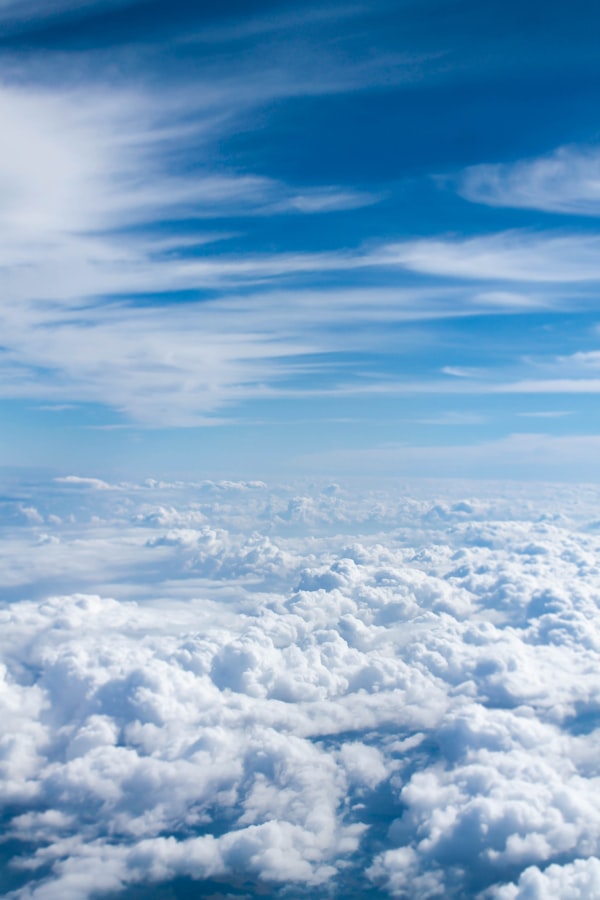
🌡️ Pressure Belts
🏜️ Why Deserts at 30°?
Subtropical high pressure = descending air = air warms = can't form clouds = no rain = desert. This is why Sahara, Arabian, Australian deserts all sit near 30°.
LOW PRESSURE (L)
- Air rises → cools → condenses
- Clouds and precipitation
- Windy conditions
- Counterclockwise (NH) / Clockwise (SH)
- Associated with storms, fronts
HIGH PRESSURE (H)
- Air sinks → warms → dries out
- Clear skies, sunny
- Light winds at center
- Clockwise (NH) / Counter (SH)
- Fair weather, stable conditions
Named Pressure Systems
| System | Type | Location | Climate Effect |
|---|---|---|---|
| Bermuda/Azores High | High | N. Atlantic ~30°N | Hot, dry SE US summers |
| Pacific High | High | NE Pacific | California's dry summers |
| Siberian High | High | Central Asia (winter) | Extreme cold, outflow to coasts |
| Icelandic Low | Low | N. Atlantic ~60°N | European storms, mild winters |
| Aleutian Low | Low | N. Pacific | Pacific Northwest storms |
What is Blocking?
When a high pressure system gets "stuck" and blocks the normal west-to-east flow of weather systems. Can cause extreme weather to persist for weeks.
Notable Blocking Events
- Russia 2010: Blocked high → 44°C temperatures, wildfires, 55,000 deaths
- UK 2018: Blocked high → Beast from the East, then hottest summer
- Pacific Northwest 2021: Heat dome → 49.6°C in Canada (national record)
Rain Shadow Effect
Orographic precipitation
🔄 The Process
🌍 Famous Examples
- • Atacama Desert: Andes block Pacific moisture → driest place on Earth
- • Gobi Desert: Himalayas block Indian monsoon
- • Death Valley: Sierra Nevada rain shadow
- • Patagonian Desert: Andes block westerlies
| Location | Windward | Leeward | Difference |
|---|---|---|---|
| Hawaii | Mt. Waialeale: 11,430 mm | West Maui: 250 mm | 45× difference! |
| Southern Andes | Valdivia: 2,500 mm | Patagonian steppe: 200 mm | 12× difference |
| Cascades (WA) | Mt. Rainier: 2,500 mm | Yakima: 200 mm | 12× difference |
| Himalayas | Cherrapunji: 11,872 mm | Tibetan Plateau: 100 mm | 118× difference |
Local Names for the Same Phenomenon
- Chinook - Rocky Mountains (N. America)
- Foehn - Alps (Europe)
- Zonda - Andes (Argentina)
- Santa Ana - Southern California (offshore flow variant)
- Berg Wind - South Africa
Dramatic Temperature Rises
Rapid City, SD (Jan 22, 1943): -20°C → +7°C in 2 minutes!
Loma, MT (Jan 15, 1972): -48°C → +9°C in 24 hours (US record: 57°C swing)
Continentality
Distance from ocean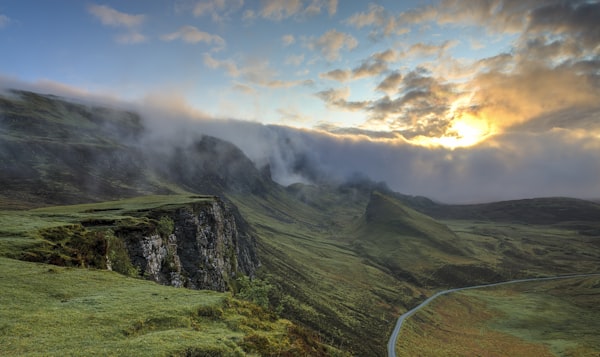
🔑 KEY RULE
📊 Comparison (50°N)
🔬 Why?
Water has high heat capacity - heats/cools slowly. Land heats/cools quickly. Coastal areas moderated by ocean; continental interiors experience extremes.
Why Water Moderates Climate
| Property | Water | Land/Rock | Effect |
|---|---|---|---|
| Specific Heat | 4.18 J/g·K | 0.8 J/g·K | Water needs 5× more energy to warm |
| Transparency | Deep mixing | Surface only | Heat spread through depth |
| Evaporation | Cools surface | Limited | Latent heat transfer to air |
| Daily Change | ~1°C | ~20°C | Coastal temps stable |
Most Extreme Temperature Ranges
| City | Country | Jan Avg | Jul Avg | Range |
|---|---|---|---|---|
| Verkhoyansk | Russia | -46°C | +16°C | 62°C |
| Yakutsk | Russia | -40°C | +20°C | 60°C |
| Ulaanbaatar | Mongolia | -25°C | +18°C | 43°C |
| Winnipeg | Canada | -18°C | +20°C | 38°C |
| Moscow | Russia | -8°C | +19°C | 27°C |
MARITIME CLIMATE
- Small annual temperature range
- Mild winters, cool summers
- High humidity year-round
- Frequent precipitation
- Cloud cover common
- Examples: UK, New Zealand, Pacific NW
CONTINENTAL CLIMATE
- Large annual temperature range
- Cold winters, hot summers
- Low humidity, especially winter
- Lower annual precipitation
- More sunshine
- Examples: Midwest US, Central Asia
ENSO
El Niño / La Niña
📡 Current Status
⚡ Global Impacts
- Peru: flooding
- Australia: drought
- Global: warmer year
- Peru: drought
- Australia: floods
- More Atlantic hurricanes
Normal Conditions
El Niño
Trade winds weaken → warm water sloshes back east → upwelling stops → eastern Pacific warms → rain shifts to central/eastern Pacific. Indonesia/Australia drought; Peru floods.
La Niña
Trade winds strengthen → even more warm water piled in west → enhanced upwelling → eastern Pacific cools → more rain in west. Opposite of El Niño effects.
| Region | El Niño Effect | La Niña Effect |
|---|---|---|
| US Southwest | Wetter, flooding | Drier, drought |
| US Southeast | Cooler, wetter | Warmer, drier |
| Atlantic Hurricanes | Fewer (wind shear) | More active |
| India Monsoon | Weaker, drought risk | Stronger |
| Australia | Drought, bushfires | Floods |
| East Africa | Heavy rains | Drought |
| Southern Africa | Drought | Better rains |
| Global Temperature | +0.1-0.2°C | -0.1-0.2°C |
Super El Niños
| Year | Niño 3.4 Anomaly | Notable Impacts |
|---|---|---|
| 1997-98 | +2.4°C | California floods, Indonesia fires, $35B damage |
| 2015-16 | +2.6°C | Warmest year on record, global coral bleaching |
| 1982-83 | +2.2°C | Peru floods, Australia drought, $8B damage |
| 2023-24 | +2.0°C | Record global heat, Amazon drought |
Coriolis Effect
Earth's rotation deflection
🔑 KEY RULE
- • Northern Hemisphere: Deflects RIGHT
- • Southern Hemisphere: Deflects LEFT
- • At equator: No effect
🌀 Why Hurricanes Spin
Air rushing toward low pressure gets deflected, creating rotation. Counterclockwise in NH, clockwise in SH. This is why hurricanes can't form within 5° of equator.
Earth's Rotation Effect
Earth rotates eastward at ~1,670 km/h at equator but 0 km/h at poles. Air moving north from equator is "moving fast" and gets ahead of the slower surface beneath → appears to deflect right. Opposite for southward-moving air.
Coriolis parameter: f = 2Ω sin(φ), where Ω is Earth's rotation rate and φ is latitude.
- Basin/toilet shape
- Water entry angle
- Any residual motion
Where Coriolis DOES Matter
- Hurricanes/Cyclones: ~500+ km scale, hours-days duration
- Ocean currents: Basin-wide circulation
- Global wind patterns: Creates Hadley cells, trade winds
- Artillery/missiles: Long-range military calculations
- Foucault pendulum: Designed to show Earth's rotation
What is Geostrophic Wind?
Balance between pressure gradient force (pushing air from high to low) and Coriolis (deflecting it). Result: wind flows PARALLEL to isobars, not across them.
Albedo
Surface reflectivity
📊 Albedo Values
⚠️ Ice-Albedo Feedback
Ice melts → Less reflection → More absorption → More warming → More ice melts. This is why Arctic warms 2-4x faster than global average.
| Surface | Albedo | Notes |
|---|---|---|
| HIGH ALBEDO (>50%) | ||
| Fresh snow | 80-90% | Highest natural surface |
| Old/dirty snow | 40-70% | Decreases as particles accumulate |
| Sea ice | 50-70% | Depends on age, melt ponds |
| Thick clouds | 60-90% | Major climate regulator |
| MEDIUM ALBEDO (20-50%) | ||
| Desert sand | 30-40% | Light colored, but absorbs heat |
| Concrete/cities | 25-35% | Contributes to urban heat |
| Grassland | 20-25% | Varies with moisture |
| LOW ALBEDO (<20%) | ||
| Forest (deciduous) | 15-20% | Higher than evergreen |
| Forest (coniferous) | 10-15% | Dark, absorbs well |
| Ocean | 6-10% | Lowest natural surface |
| Asphalt | 5-10% | Major urban heat contributor |
Positive Feedback (Self-Reinforcing)
Earth's Energy Budget
Earth's average albedo: ~30% (0.30). This means we reflect 30% of incoming solar radiation back to space and absorb 70%.
Comparison with Other Planets
Greenhouse Effect
Atmospheric warming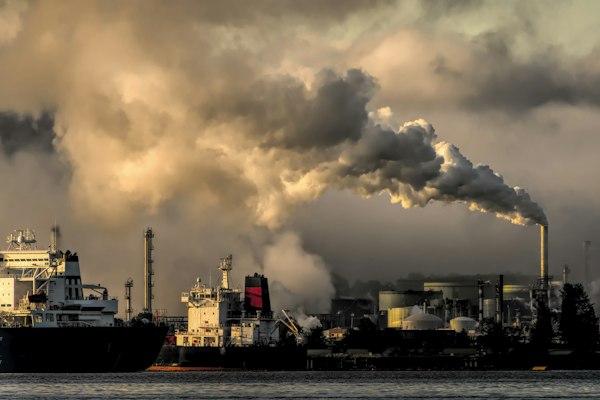
🌡️ Natural Greenhouse
Without greenhouse gases, Earth would average -18°C instead of +15°C. The natural effect keeps us warm. Problem is enhanced effect from emissions.
💨 Key Gases
| Gas | GWP* | Lifetime | Main Sources |
|---|---|---|---|
| CO₂ | 1 | 100s-1000s yrs | Fossil fuels, deforestation |
| CH₄ | 80 (20yr) | ~12 years | Livestock, wetlands, gas leaks |
| N₂O | 273 | ~120 years | Agriculture, fertilizers |
| HFCs | 1,000-10,000 | 1-50 years | Refrigerants, AC |
| SF₆ | 23,500 | 3,200 years | Electrical insulation |
*GWP = Global Warming Potential (compared to CO₂ over 100 years unless noted)
NATURAL ✓
- Pre-industrial CO₂: 280 ppm
- Keeps Earth at +15°C
- Makes planet habitable
- Balanced for millions of years
ENHANCED ⚠️
- Current CO₂: 423+ ppm
- Adding ~1.1°C so far
- Rapid, unnatural change
- Outpacing adaptation
Urban Heat Island
Cities vs rural areas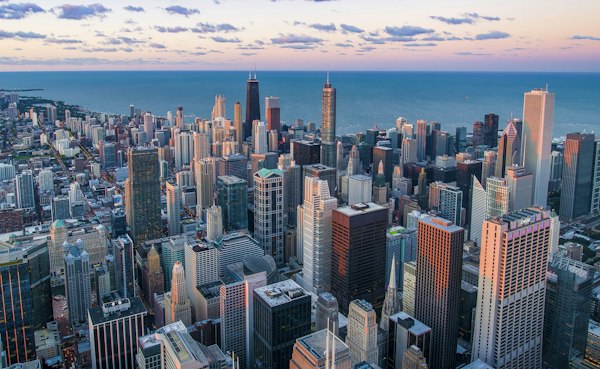
🔑 KEY EFFECT
🔬 Causes
- • Dark surfaces absorb more heat
- • Less vegetation = less cooling
- • Waste heat from buildings/cars
- • Canyon effect traps heat
| Factor | Urban | Rural | Heat Effect |
|---|---|---|---|
| Surface Albedo | 10-20% (dark) | 20-30% (lighter) | More absorption |
| Vegetation | 5-20% cover | 50-90% cover | Less evaporative cooling |
| Thermal Mass | Concrete, asphalt | Soil, plants | Stores heat longer |
| Anthropogenic Heat | High (AC, cars) | Low | Direct heat addition |
| Canyon Effect | Tall buildings | Open sky | Traps radiation |
| Air Pollution | High (smog) | Low | Absorbs/re-radiates heat |
| City | Max UHI | Key Factors |
|---|---|---|
| Tokyo | +8-12°C | Dense, AC waste heat, concrete |
| Phoenix | +7-10°C | Desert surrounded, dark surfaces |
| New York | +5-8°C | Dense canyons, little green space |
| London | +4-7°C | Victorian brick, compact |
| Singapore | +4-7°C | Tropical + urban, high AC use |
| Los Angeles | +3-6°C | Sprawl, but more vegetation |
⚠️ Health Impacts
- Heat-related deaths: UHI increases mortality during heat waves
- Energy demand: 5-10% more AC for every 1°C of UHI
- Air quality: Higher temps = more ozone formation
- Sleep disruption: Warm nights prevent body cooling
Proven UHI Mitigation Strategies
🧩 How Climate Factors Combine
🏜️ Why is the Sahara a desert?
- ✓ 20-30°N latitude (subtropical high)
- ✓ Descending air = no clouds
- ✓ Cold Canary Current offshore
- ✓ Far from moisture sources
- ✓ Rain shadow from Atlas Mountains
| Factor | Contribution |
|---|---|
| Subtropical High | Primary |
| Cold Current | Coastal |
| Continentality | Interior |
| Rain Shadow | Minor |
Result: <1mm/year in driest parts. World's largest hot desert at 9 million km².
🌧️ Why is the UK mild & wet?
- ✓ Gulf Stream brings warm water (+5-10°C)
- ✓ Westerlies bring Atlantic storms
- ✓ Low pressure systems pass by
- ✓ Maritime = moderated temps
- ✓ No mountain barriers to west
| Factor | Contribution |
|---|---|
| Gulf Stream/NAD | +8-10°C |
| Maritime Position | Key |
| Westerly Winds | Moisture |
| Polar Front | Storms |
Same latitude as Labrador (-1°C) but UK averages +11°C. Rain 150-200 days/year in west.
🌴 Why is Singapore hot & wet?
- ✓ 1°N = direct solar radiation
- ✓ ITCZ = rising air = rain
- ✓ Surrounded by warm ocean
- ✓ No dry season (ITCZ year-round)
- ✓ High humidity always
| Factor | Contribution |
|---|---|
| Equatorial Position | Primary |
| ITCZ Presence | Rain |
| Warm Oceans | Moisture |
| No Seasons | Stability |
27-28°C year-round. 2,400mm rain annually. No month below 170mm. Classic equatorial (Af) climate.
🥶 Why is Antarctica coldest?
- ✓ 90°S latitude = minimal sun
- ✓ High altitude (avg 2,500m)
- ✓ Ice sheet reflects 80%+ of light
- ✓ Isolated by circumpolar current
- ✓ Polar high = sinking dry air
| Factor | Temperature Effect |
|---|---|
| Polar Latitude | -30°C baseline |
| High Altitude | Additional -16°C |
| High Albedo | -10°C or more |
| Isolation | No warm air intrusion |
Record: -89.2°C (Vostok, 1983). Interior averages -50°C to -60°C annually. Coldest, driest, windiest continent.
🏔️ Why is Quito cool on the equator?
- ✓ 0° latitude BUT 2,850m altitude
- ✓ Lapse rate: -18.5°C from sea level
- ✓ In Andes mountain valley
- ✓ Cloud forest zone moisture
- ✓ "Eternal spring" climate
Expected at equator sea level: 27°C average
Altitude adjustment: 2,850m × 6.5°C/1000m = -18.5°C
Actual average: 13°C (perfect match!)
Quito has no winter or summer - just wet (Oct-May) and dry (Jun-Sep) seasons. Daily temperature range (8°C) exceeds annual range (1°C).
🌵 Why is coastal Peru a desert?
- ✓ Cold Humboldt Current offshore
- ✓ Subtropical high pressure (30°S)
- ✓ Andes block Amazon moisture
- ✓ Temperature inversion = no rain
- ✓ Fog but no precipitation
Triple whammy creates Earth's driest place:
- Cold current → cool air → stable, no convection
- Subtropical high → descending air → warming
- Andes → rain shadow from east
Atacama Desert: Some weather stations have NEVER recorded rain. Arica, Chile: 0.8mm average annual rainfall.
🧠 Test Your Knowledge
Question 1 of 5
Why is London warmer than cities at the same latitude in Canada?
📋 Quick Reference Summary
🌡️ TEMPERATURE
- Latitude: 1°≈1°C
- Altitude: -6.5°C/km
- Ocean currents: ±10°C
- Continentality
💧 PRECIPITATION
- Pressure systems
- Wind patterns
- Rain shadow
- Distance from ocean
🔄 VARIABILITY
- ENSO cycles
- Monsoon shifts
- Blocking patterns
- Jet stream position
⚡ FEEDBACKS
- Ice-albedo
- Water vapor
- Cloud effects
- Vegetation