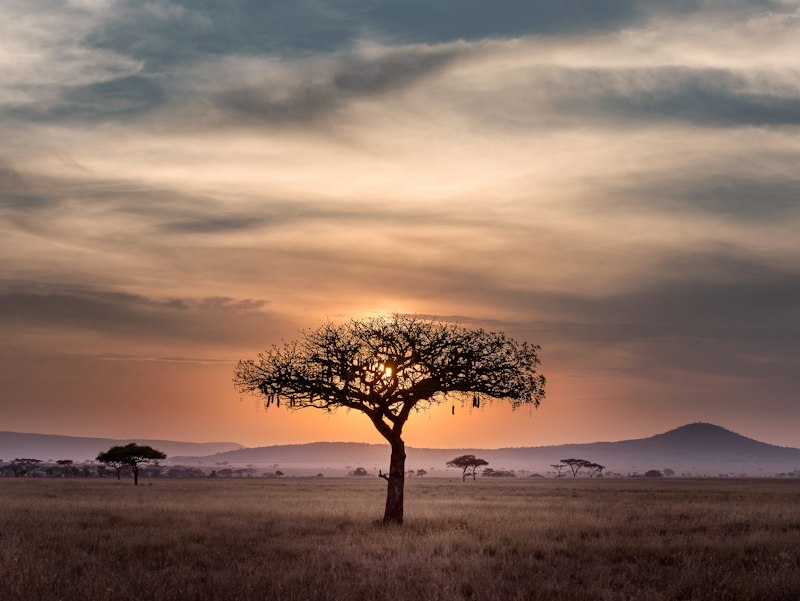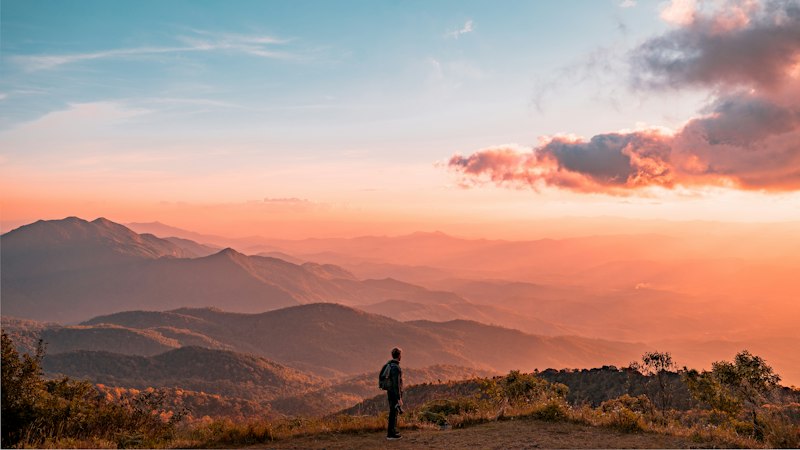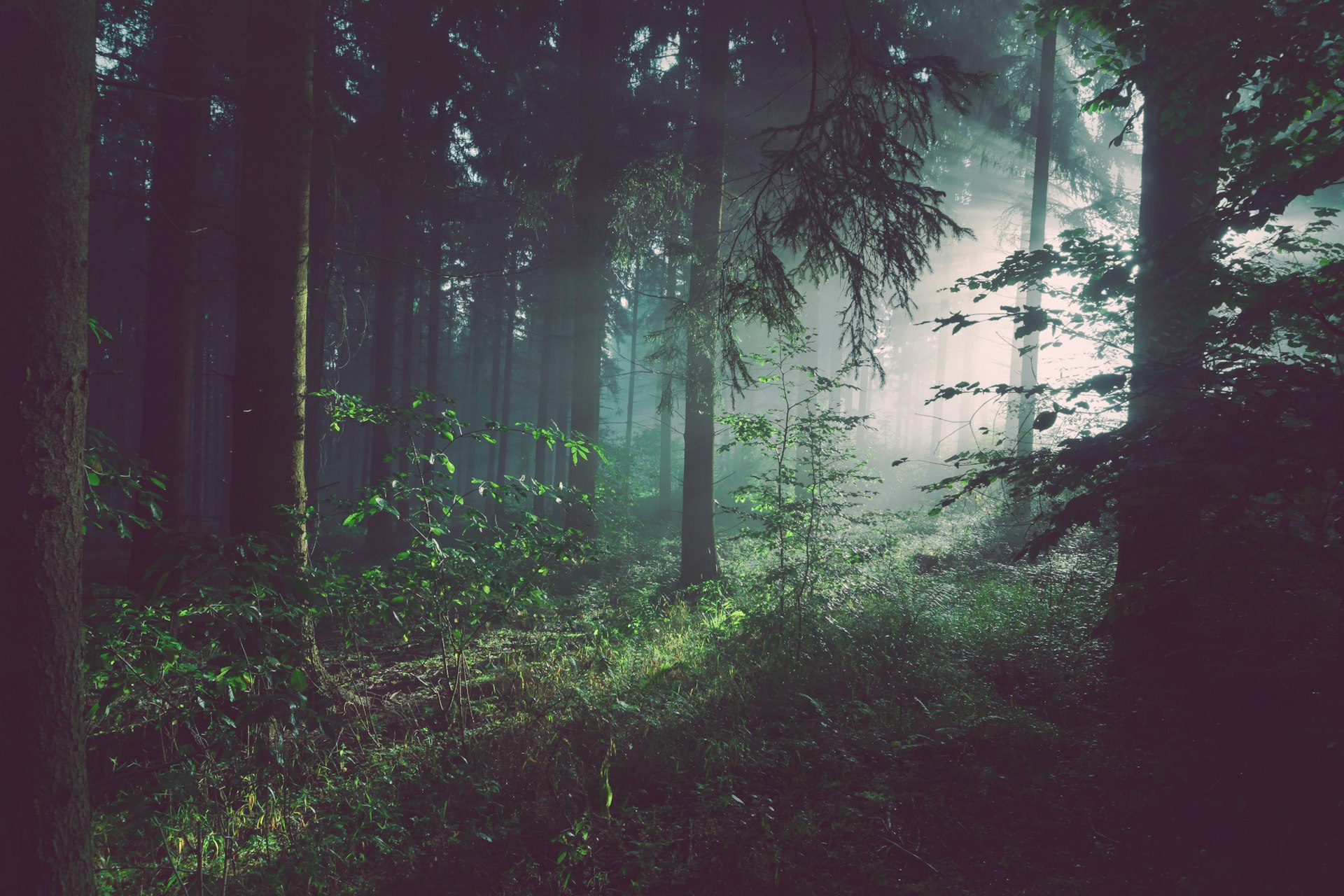
Forest biome
🌲 10 Major Types

Terrestrial Biomes

Earth's major land ecosystems - how climate creates rainforests, deserts, grasslands, and frozen tundra. Comparison matrix and deep dives.

Live Data • Updated March 28, 2026

🗺️ Biomes at a Glance

Click any biome for detailed breakdown
🌴

Tropical Rainforest

6%
of land
🏜️

Desert

33%
of land
🌲

Taiga

17%
of land
🌾

Grassland

25%
of land
❄️

Tundra

10%
of land

📊 Key Statistics

Total Area 8.5M km²
Annual Precipitation 2,000-10,000mm
Temperature Range 20-34°C
Growing Season 365 days
Primary Productivity 2,200 g/m²/year

🌿 Biodiversity (Live Count)

Plant Species ~80,000
Mammal Species ~400
Bird Species ~1,300
Insect Species ~30M
% of Global Species 50%+

🏛️ Major Regions

🌎 Amazon Basin 5.5M km²
🌍 Congo Basin 2.0M km²
🌏 SE Asia/Indonesia 0.8M km²
🌏 New Guinea 0.3M km²

⚠️ Threat Status (2026)

CRITICAL
Deforestation Rate 4.7M ha/year
Lost Since 1970 17%
Projected 2050 Loss 25-40%
62%
Ecosystem Integrity

📊 Key Statistics

Total Area 49.3M km²
Hot Deserts 20.9M km²
Cold Deserts 28.4M km²
Annual Precipitation <250mm
Daily Temp Swing Up to 45°C

🏜️ Largest Deserts

Antarctic (cold) 14.2M km²
Arctic (cold) 13.9M km²
Sahara (hot) 9.2M km²
Arabian (hot) 2.3M km²
Gobi (cold) 1.3M km²

🦎 Adaptations

Nocturnal Activity 75% species
Water Storage Cacti, camels
Deep Roots Up to 50m
Metabolic Water Kangaroo rat

📈 Expansion Trend (2026)

EXPANDING
Desertification Rate 12M ha/year
Population Affected 2.1 billion
Sahara Expansion +10% since 1920
Countries at Risk 110+

📊 Key Statistics

Total Area 17M km²
% of World's Forest 29%
Temperature Range -54 to 30°C
Growing Season 80-150 days
Daylight (Summer) Up to 24 hrs

🌲 Dominant Trees

Spruce 35%
Pine 25%
Fir 20%
Larch 15%
Birch (deciduous) 5%

🌍 Geographic Distribution

Russia 5.7M km²
Canada 5.5M km²
Alaska 0.5M km²
Scandinavia 0.6M km²

🔥 Fire & Carbon (2026)

HIGH RISK
Carbon Stored 700 Gt
2025 Fire Season 18.4M ha
Permafrost Thaw +40% by 2100
Northward Shift 100km/century

📊 Key Statistics

Total Area 37.5M km²
Tropical Savanna 20M km²
Temperate Grassland 17.5M km²
Annual Precipitation 250-1,500mm
Soil Carbon 200+ t/ha

🗺️ Regional Names

🇺🇸 Prairie N. America
🇦🇷 Pampas S. America
🇷🇺 Steppe Eurasia
🇰🇪 Savanna Africa
🇿🇦 Veld South Africa

🦬 Keystone Species

African Elephant 415,000
American Bison 500,000
Wildebeest 1.5M
Prairie Dog 10-20M

🌾 Agricultural Conversion

MOST CONVERTED
Native Remaining <10%
Cropland 70%
US Tallgrass Lost 99%
Food Production 70% of crops

📊 Key Statistics

Total Area 15M km²
Arctic Tundra 11.5M km²
Alpine Tundra 3.5M km²
Growing Season 50-60 days
Permafrost Depth 25-1000m

🥶 Temperature Extremes

Winter Average -34°C
Summer Average 3-12°C
Record Low -68°C
Polar Night Up to 6 months

🦌 Wildlife

Caribou/Reindeer 4.7M
Musk Ox 135,000
Arctic Fox Several 100K
Polar Bear 26,000

🌡️ Climate Change Hotspot

FASTEST WARMING
Warming Rate 4x global
Permafrost Thaw 25% by 2100
Methane Release 1,400 Gt C
Shrub Expansion +52% since 1980

📡 Live Biome Monitoring

Real-time satellite data • March 28, 2026
Global Forest Cover
4.06B
hectares remaining
-4.7M ha/yr
31% of land surface
Desertification
12M
hectares/year expanding
+8%
33% of land is desert/arid
Permafrost Status
-2.1°C
avg. temperature rise
Thawing
65% still intact (declining)
Amazon Tipping Point
17.4%
deforested (critical: 20%)
Near limit
87% of way to tipping point
Boreal Fire Season
18.4M
hectares burned (2025)
+45% vs avg
145% of 20-year average
Native Grassland
8.2%
of original remaining
-0.5%/yr
Most converted biome on Earth
🔗 Climate → Biome Relationships

Climate determines biome distribution. Temperature and precipitation are the primary controls.

Temperature Control

Precipitation Control

The Whittaker Biome Diagram Concept

Biomes can be plotted on a graph with temperature on the Y-axis and precipitation on the X-axis. This creates predictable zones where specific biomes occur. For example, high temperature + high precipitation = tropical rainforest, while high temperature + low precipitation = desert.

📊 Biome Comparison Matrix

Click any row for detailed breakdown
Biome Köppen Temp Range Precip Season Soil Plants Animals
🌴 Tropical Rainforest Af 25-28°C >2000mm Year-round Oxisol (poor) Broadleaf evergreen 🦜🐒🐆🦋
🌳 Forest Structure
  • Emergent Layer: 60-80m, giant trees pierce canopy
  • Canopy: 30-45m, continuous layer, 70-90% of wildlife
  • Understory: 10-30m, shade-tolerant plants
  • Shrub Layer: 3-10m, limited light
  • Forest Floor: <2% sunlight, rapid decomposition
🌧️ Climate Details
  • No dry season (>60mm every month)
  • Humidity: 77-88% constant
  • Daily temperature swing: only 5-8°C
  • Rainfall often in afternoon convective storms
  • Evapotranspiration creates 50-75% of own rainfall
🧬 Biodiversity Hotspot
  • 50% of Earth's species on 6% of land
  • 1 hectare: 100-300 tree species
  • Amazon: 10% of all species on Earth
  • Many species still undiscovered
  • Highest speciation rates globally
👥 Human Impact
  • Home to 300M people globally
  • 25% of modern medicines sourced here
  • Slash-and-burn: 4.7M hectares/year lost
  • Primary drivers: beef, soy, palm oil, logging
  • Indigenous peoples protect 80% of biodiversity
🌳 Tropical Savanna Aw 20-30°C 750-1500mm Wet/Dry Variable Grasses + scattered trees 🦁🐘🦒🦓
🔥 Fire Ecology
  • Fire essential to maintain savanna
  • Burns every 1-5 years naturally
  • Grasses recover in weeks; trees suppressed
  • Without fire → converts to woodland
  • Many plants fire-adapted (thick bark, underground roots)
🦁 Megafauna Paradise
  • Africa: highest large mammal diversity
  • Great Migration: 1.5M wildebeest
  • Elephants: ecosystem engineers
  • Lions, leopards, cheetahs as apex predators
  • Grazing maintains grass dominance
🌍 Global Distribution
  • African Savanna: Serengeti, Kruger, Maasai Mara
  • Brazilian Cerrado: 2M km² (50% converted)
  • Australian Outback: tropical north
  • Indian Deccan: dry deciduous
🌡️ Wet-Dry Cycle
  • Wet season: 4-8 months, monsoon rains
  • Dry season: 4-8 months, water stress
  • Animal migrations follow rain
  • Trees often deciduous or semi-deciduous
🏜️ Hot Desert BWh -5 to 45°C <250mm Extreme Aridisol (dry) Cacti, shrubs 🦎🐪🦂🐍
🌡️ Extreme Conditions
  • Record: 56.7°C (Death Valley, 1913)
  • Ground temp: can exceed 70°C
  • Daily swing: up to 45°C difference
  • Night frost possible in winter
  • Years can pass without rain in hyperarid zones
🌵 Plant Adaptations
  • Succulents: Store water in stems/leaves
  • CAM photosynthesis: Stomata open at night
  • Deep roots: Mesquite reaches 50m+
  • Ephemeral bloom: Entire life cycle in weeks
  • Spines: Reduce water loss, deter herbivores
🦎 Animal Adaptations
  • Nocturnal: 75% active only at night
  • Burrowing: Cooler underground
  • Estivation: Summer dormancy
  • Metabolic water: Kangaroo rat never drinks
  • Heat radiation: Large ears (fennec fox)
🏜️ Major Hot Deserts
  • Sahara: 9.2M km² (Africa)
  • Arabian: 2.3M km² (Middle East)
  • Sonoran: 0.3M km² (N. America)
  • Kalahari: 0.9M km² (Southern Africa)
  • Thar: 0.2M km² (India/Pakistan)
🏔️ Cold Desert BWk -30 to 30°C <250mm Extreme Aridisol Shrubs, sagebrush 🐇🦅🐺
🥶 Cold Desert Characteristics
  • Long, cold winters with snow
  • Short, hot summers
  • Low precipitation (rain shadow effect common)
  • Wide temperature range: -40°C to +40°C annually
  • Wind-driven erosion shapes landscape
🗺️ Major Cold Deserts
  • Antarctic: 14.2M km² (largest desert!)
  • Gobi: 1.3M km² (Mongolia/China)
  • Patagonian: 0.67M km² (Argentina)
  • Great Basin: 0.49M km² (USA)
  • Karakum: 0.35M km² (Central Asia)
🌿 Vegetation
  • Sagebrush dominates North American cold deserts
  • Saxaul trees in Asian cold deserts
  • Plants often spiny or waxy-leaved
  • Growth concentrated in brief spring
🦘 Wildlife
  • Bactrian camel (Gobi) - two humps for fat storage
  • Snow leopard (edges of Central Asian deserts)
  • Pronghorn, jackrabbits (Great Basin)
  • Wild ass, gazelles (Asian steppes)
🌾 Temperate Grassland BSk -10 to 30°C 250-750mm Seasonal Mollisol (rich) Tallgrass, shortgrass 🦬🦅🐕
🌾 Grassland Types
  • Tallgrass: >1m height, 750-1000mm rain (E. prairie)
  • Mixed grass: 0.5-1m, transitional zone
  • Shortgrass: <0.5m, 250-500mm rain (W. plains)
  • Height decreases westward in N. America
🪱 World's Best Soils
  • Mollisols: deep, dark, organic-rich
  • Topsoil depth: 1-2 meters
  • Formed over 10,000+ years
  • Grass roots constantly add organic matter
  • Why these became world's breadbaskets
🦬 Historic Megafauna
  • N. America: 30-60M bison (pre-1800)
  • Asia: Millions of saiga antelope
  • Grazing maintained grass dominance
  • Prairie dogs: 5 billion (1900) → 10-20M today
  • Keystone species create habitat for 150+ species
🚜 Agricultural Conversion
  • Most converted biome on Earth
  • US Tallgrass: 99% converted to crops
  • Ukrainian Steppe: 90%+ plowed
  • Produces 70% of world's grain
  • Soil erosion: losing 1cm/decade
🌿 Mediterranean Csa/b 10-30°C 400-900mm Dry summer Alfisol Chaparral, maquis 🦎🐰🦌
☀️ Climate Pattern
  • Wet, mild winters / Hot, dry summers
  • 70% of rain falls October-March
  • Summer drought: 3-5 months
  • Found on west coasts, 30-40° latitude
  • Only 2% of world's land surface
🗺️ Five Regions
  • 🇪🇸 Mediterranean Basin (original)
  • 🇺🇸 California Chaparral
  • 🇨🇱 Chilean Matorral
  • 🇿🇦 South African Fynbos
  • 🇦🇺 SW Australian Kwongan
🔥 Fire Adaptation
  • Fire-dependent ecosystem
  • Many plants require fire to germinate
  • Thick bark, resprouting from roots
  • Fire return interval: 30-100 years
  • Human fire suppression causes fuel buildup
🌺 Biodiversity Hotspot
  • Fynbos: 9,000 plant species (70% endemic)
  • California: 4,426 native plants (30% endemic)
  • High endemism due to isolation
  • Many species with restricted ranges
  • Highly threatened by urbanization
🌳 Temperate Forest Cfa/Cfb -5 to 25°C 750-1500mm 4 seasons Alfisol Oak, maple, beech 🦌🦊🐻🦉
🍂 Seasonal Cycle
  • Spring: Rapid leaf emergence, wildflower bloom
  • Summer: Full canopy, high productivity
  • Autumn: Spectacular color change, leaf fall
  • Winter: Dormancy, bare branches
  • Growing season: 140-200 days
🌳 Forest Types
  • Deciduous: E. North America, Europe, E. Asia
  • Mixed: Deciduous + conifers
  • Temperate Rainforest: Pacific NW, Chile, NZ
  • Dominant trees: Oak, maple, beech, hickory
🍁 Leaf Color Science
  • Chlorophyll breakdown reveals pigments
  • Carotenoids: yellow, orange (always present)
  • Anthocyanins: red, purple (produced in fall)
  • Cool nights + sunny days = best colors
  • Climate change shifting peak by 2-3 weeks
📊 Recovery Success
  • Most regrown biome (from historic lows)
  • E. US: 80% forest now vs 40% in 1900
  • Europe: forest cover increasing
  • Secondary forest differs from old-growth
  • Only 1% of original old-growth remains (E. US)
🌲 Taiga (Boreal) Dfc -40 to 20°C 300-600mm Short summer Spodosol (acidic) Spruce, fir, pine 🐻🦌🐺🦫
🌲 Conifer Adaptations
  • Needle leaves: Reduce water loss, shed snow
  • Conical shape: Snow slides off
  • Flexible branches: Bend don't break
  • Evergreen: Photosynthesize immediately in spring
  • Dark color: Absorbs more sun warmth
🧊 Permafrost Zones
  • Continuous permafrost: far north
  • Discontinuous: central taiga
  • Active layer: 0.5-2m thaws seasonally
  • Trees shallow-rooted (drunk forest)
  • Thawing permafrost = methane release
🔥 Fire Regime
  • Natural fire return: 50-200 years
  • Lightning-ignited fires common
  • Large fires: 1-10M hectares possible
  • 2021 Siberian fires: 18M hectares
  • Climate change increasing fire severity
💨 Carbon Giant
  • Stores more carbon than tropical forests
  • Mostly in soils and peat (not trees)
  • ~700 gigatons of carbon
  • Peatlands: 5,000-10,000 years of accumulation
  • Critical for climate regulation
❄️ Tundra ET -30 to 10°C <250mm 2-3 mo growing Gelisol (frozen) Moss, lichen, shrubs 🐻‍❄️🦭🦌🦊
❄️ Why Treeless?
  • Warmest month <10°C (tree line definition)
  • Growing season: only 50-60 days
  • Permafrost blocks deep rooting
  • Extreme wind exposure
  • Winter: -40°C common, up to -68°C
🌿 Plant Strategies
  • Low, cushion growth (wind protection)
  • Dark colors absorb warmth
  • Hairy leaves reduce water loss
  • Rapid flowering in brief summer
  • Lichens: extreme cold tolerance
🦌 Migration Patterns
  • Caribou: 5,000km annual migration
  • Summer: calving grounds in tundra
  • Winter: retreat to boreal forest
  • Arctic tern: 70,000km annual journey
  • Millions of migratory birds breed here
🌡️ Climate Change Ground Zero
  • Warming 2-4x faster than global average
  • Arctic amplification in action
  • Shrubs expanding northward
  • Permafrost thaw accelerating
  • Could release 1,400 Gt carbon (2x atmosphere)
🧊 Ice Cap EF -60 to 0°C <50mm None None (ice) None 🐧🦭 (margins)
🧊 Ice Sheet Facts
  • Antarctica: 14M km², 26.5M km³ ice
  • Greenland: 1.7M km², 2.85M km³ ice
  • Ice thickness: up to 4.5km (Antarctica)
  • Contains 68% of freshwater on Earth
  • If melted: 70m sea level rise
🌡️ Extreme Cold
  • Record: -89.2°C (Vostok, 1983)
  • Satellite record: -98°C (2018)
  • Summer "warmth": up to -20°C
  • Katabatic winds: 300+ km/h
  • Feels like -100°C with windchill
🐧 Margin Life
  • Life only at ice sheet margins
  • Emperor penguins: breed at -40°C
  • Antarctic krill: keystone species
  • Ice algae: base of food web
  • Seals, whales depend on ice margins
📉 Ice Loss (2026 Data)
  • Greenland: -280 Gt/year (increasing)
  • Antarctica: -150 Gt/year (accelerating)
  • Sea level contribution: 1.1mm/year
  • West Antarctic ice sheet: unstable
  • Thwaites Glacier: "Doomsday glacier"
🏆 Biome World Records
🌳

Tallest Tree

116m
Hyperion (Coast Redwood), California temperate rainforest
🏜️

Driest Place

0.76mm/yr
Atacama Desert, Chile - some spots no rain recorded
🌧️

Wettest Biome Spot

11,871mm/yr
Mawsynram, India - tropical monsoon forest
🌡️

Hottest Recorded

56.7°C
Death Valley, USA (1913) - hot desert biome
🥶

Coldest Recorded

-89.2°C
Vostok Station, Antarctica (1983) - ice cap
🌿

Most Species/Hectare

942 trees
Ecuador cloud forest - 1 hectare plot
🪵

Oldest Tree

5,068 years
Methuselah (Bristlecone Pine), alpine/desert edge
🦬

Largest Land Migration

1.5M animals
Serengeti wildebeest, tropical savanna
🌾

Deepest Soil

4.5m topsoil
Ukrainian Chernozem, temperate grassland

🌍 Biome Deep Dives

Tropical rainforest
🌴

Tropical Rainforest

Earth's most biodiverse ecosystem
50%
of all species
80m
canopy height
4
layers

Forest Layers

  • Emergent: 60-80m, eagles, butterflies
  • Canopy: 30-45m, most biodiversity
  • Understory: 10-30m, shade plants
  • Forest floor: <2% light reaches

Major Regions

  • 🌎 Amazon (5.5M km²) - largest
  • 🌍 Congo Basin (2M km²)
  • 🌏 Southeast Asia (fragmented)

⚠️ Threats

Losing 4.7M hectares/year. Agriculture, logging, mining. Amazon approaching tipping point - may flip to savanna.
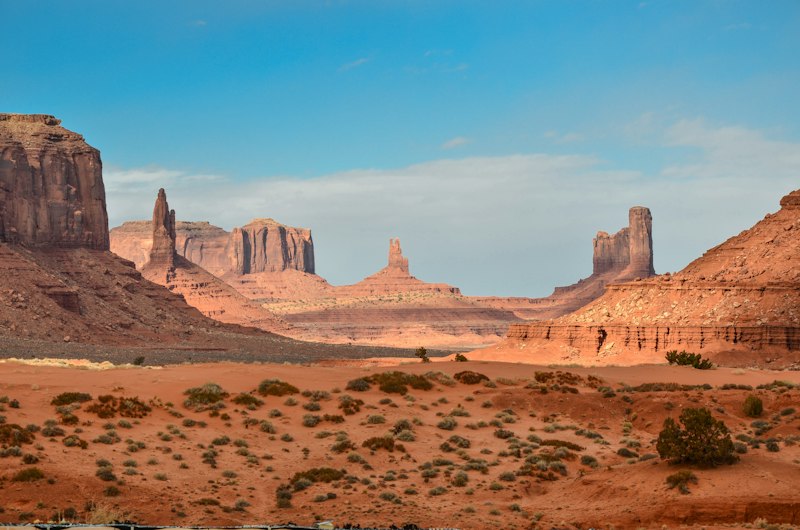
Desert landscape
🏜️

Desert

Extreme adaptation required
33%
of land
40°C
daily swing
<250
mm/year

Major Deserts

  • Sahara: 9.2M km² (largest hot)
  • Arabian: 2.3M km²
  • Gobi: 1.3M km² (cold desert)
  • Kalahari: 0.9M km²

Plant Adaptations

  • Deep taproots (mesquite: 50m+)
  • Water storage (cacti)
  • Waxy coatings reduce water loss
  • Dormancy during drought
Taiga forest
🌲

Taiga (Boreal Forest)

World's largest biome
17M
km²
29%
of forests
-40°
to 20°C

Characteristics

  • Coniferous trees (spruce, fir, pine)
  • Needle leaves reduce water loss
  • Conical shape sheds snow
  • Only 1-3 months >10°C
  • Permafrost in northern regions

Carbon Storage

Stores more carbon than tropical forests. Most in soil/peat. Wildfires releasing centuries of stored carbon as climate warms.

Tundra landscape
❄️

Tundra

Treeless frozen plains
10%
of land
<10°C
warmest mo
60
days grow

Types

  • Arctic tundra: Circumpolar, permafrost
  • Alpine tundra: High mountains, no permafrost
  • Antarctic tundra: Very limited (coast only)

⚠️ Climate Change Hotspot

Warming 2-4x faster than global average. Permafrost thaw releasing methane. Shrubs moving north. Could lose 50% by 2100.
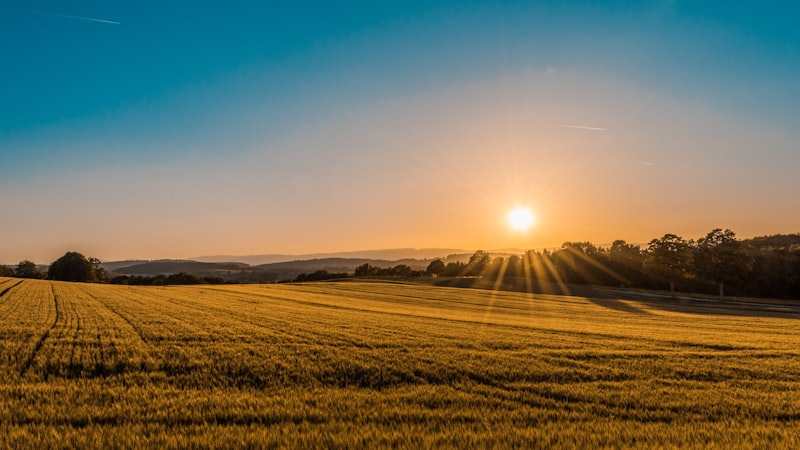
Grassland
🌾

Grasslands

Sea of grass

Regional Names

  • 🇺🇸 Prairie: North America
  • 🇦🇷 Pampas: South America
  • 🇷🇺 Steppe: Eurasia
  • 🇿🇦 Veld: South Africa
  • 🇦🇺 Outback: Australia

Why No Trees?

  • Too dry for trees (250-750mm)
  • Fire prevents tree establishment
  • Grazing pressure from herbivores

Agricultural Importance

World's breadbaskets. Mollisol soils most fertile on Earth. Wheat, corn, soy. 90%+ of native grassland converted.

Temperate forest
🌳

Temperate Forest

Deciduous and mixed

Characteristics

  • Four distinct seasons
  • 750-1500mm precipitation
  • Deciduous trees drop leaves in fall
  • Spectacular autumn colors

Types

  • Deciduous: Oak, maple, beech (E. North America, Europe)
  • Temperate rainforest: Pacific Northwest, Chile
  • Mixed: Deciduous + coniferous
Mediterranean landscape
🌿

Mediterranean

Hot-summer, wet-winter climate
2%
of land
20%
endemic plants
5
regions

Five Mediterranean Regions

  • 🇪🇸 Mediterranean Basin (maquis/garrigue)
  • 🇺🇸 California (chaparral)
  • 🇨🇱 Central Chile (matorral)
  • 🇿🇦 Cape Region (fynbos)
  • 🇦🇺 SW Australia (kwongan)

🔥 Fire-Adapted

Many species require fire to germinate. Thick bark, resprouting roots. Human fire suppression causes dangerous fuel buildup.
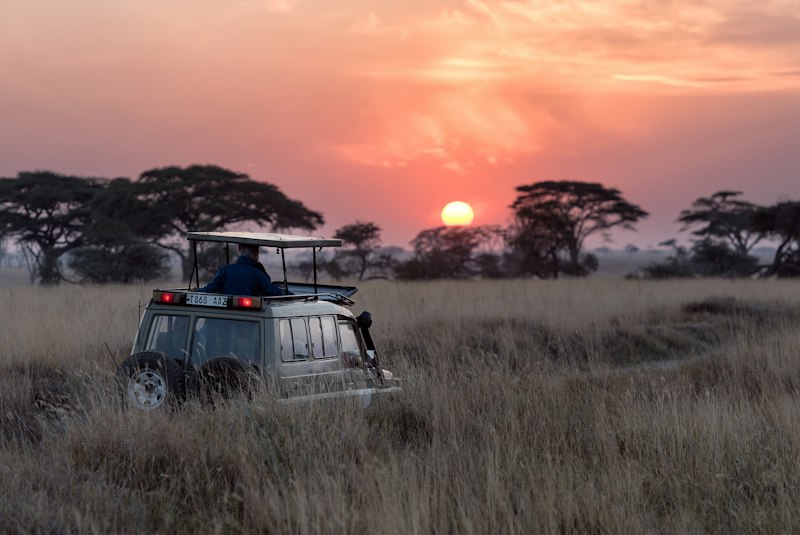
African savanna
🦁

Tropical Savanna

Grassland with scattered trees
20M
km²
1.5M
wildebeest
Wet/Dry
seasons

Iconic Locations

  • 🇹🇿 Serengeti (Tanzania)
  • 🇰🇪 Maasai Mara (Kenya)
  • 🇧🇷 Cerrado (Brazil) - 50% converted
  • 🇦🇺 Northern Australia

Key Processes

  • Fire every 1-5 years maintains grass
  • Grazing by megaherbivores
  • Wet-dry seasonality drives migrations
👥 Human Impact on Biomes (2026 Summary)

Most Threatened Biomes

1. Temperate Grassland 99% converted
2. Mediterranean 70%+ developed
3. Tropical Rainforest 17% lost since 1970
4. Temperate Forest Only 1% old-growth
5. Tropical Savanna 50% of Cerrado gone

Recovery Stories

E. US Forest 40% → 80%
European Forest +10M ha since 1990
China Reforestation +50M ha planted
Costa Rica Forest 25% → 52%
American Bison ~1,000 → 500,000

Conservation Priorities by Biome

🌴 Rainforest

Stop deforestation, indigenous rights, REDD+ payments, sustainable agriculture certification

🌾 Grassland

Protect remaining native prairies, regenerative grazing, restore bison, soil carbon credits

🌲 Taiga

Fire management, reduce logging, protect peatlands, monitor permafrost

❄️ Tundra

Limit industrial development, protect caribou migration routes, monitor methane

🏜️ Desert

Combat desertification, sustainable water use, protect oases, solar development balance

🌿 Mediterranean

Fire management, urban growth limits, protect endemic species, climate adaptation

🌱 Carbon Storage by Biome

🌴
250
t/ha (biomass)
Rainforest
🌲
150
t/ha
Taiga
🌳
120
t/ha
Temperate
🌾
200
t/ha (soil)
Grassland
❄️
30
t/ha
Tundra
🏜️
5
t/ha
Desert

Where Carbon is Stored

🌴 Rainforest 75% in living biomass
🌲 Taiga 85% in soil & peat
🌾 Grassland 95% below ground
❄️ Tundra permafrost 1,400 Gt frozen
🌳 Temperate 50/50 split
🌿 Peatlands 30% of soil carbon

Key insight: Taiga and tundra store more carbon than tropical forests, but mostly in soil. This makes them extremely vulnerable to climate warming, which accelerates decomposition and permafrost thaw.

🔄 Climate-Driven Biome Shifts (Projected 2026-2100)

Climate change is causing biomes to shift poleward and upward in elevation. Some may disappear entirely.

Expected Shifts

Critical Tipping Points

🌴

Amazon Dieback

20-25% deforestation
Could flip to savanna, releasing 90 Gt carbon
❄️

Permafrost Collapse

+2°C global warming
Irreversible thaw, methane release feedback
🌲

Boreal Fire Regime

2x fire frequency
Converting carbon sink to carbon source

Alpine Biome Squeeze

Mountain species are moving upslope at ~11m/decade. But mountains have finite height. Species adapted to highest elevations have nowhere to go—facing extinction. Alpine tundra could lose 40-90% of current range by 2100.

💰 Ecosystem Services Value by Biome

Biomes provide trillions in ecosystem services annually. These are conservative estimates of nature's economic contributions.

🌴 Tropical Forest
$2,007/ha/yr
  • Carbon sequestration
  • Rainfall generation
  • Biodiversity reservoir
  • Medicinal compounds
🌊 Coastal Wetlands
$194,000/ha/yr
  • Storm protection
  • Fisheries nursery
  • Water filtration
  • Carbon storage
🌾 Grassland
$906/ha/yr
  • Soil formation
  • Water cycling
  • Pollination services
  • Grazing support
🌲 Temperate Forest
$1,127/ha/yr
  • Air purification
  • Water regulation
  • Timber production
  • Recreation value
🏜️ Desert
$275/ha/yr
  • Mineral resources
  • Solar energy potential
  • Unique biodiversity
  • Cultural value
❄️ Tundra/Polar
$267/ha/yr
  • Climate regulation
  • Carbon storage
  • Freshwater reserves
  • Scientific value

Total Global Ecosystem Services

Annual value of nature's contributions to humanity

$125-145 Trillion
per year (1.5x global GDP)
🧠

Test Your Biome Knowledge

Think you know your biomes? Take our interactive quiz to test your knowledge about climate-ecosystem relationships, species adaptations, and conservation challenges.

Go to Interactive Tools →