
๐ Global Precipitation Facts
Types of Precipitation
From gentle drizzle to destructive hail - how each form develops

Rain
Liquid water dropletsFormation Process
- Water evaporates from surface
- Air rises and cools
- Water vapor condenses on nuclei
- Droplets grow by collision
- Fall when too heavy for updraft
Rain Types
- Convective: Localized, intense, from heating
- Frontal: Widespread, at weather fronts
- Orographic: Mountain-forced lift
Intensity Scale
Raindrop Facts
- ๐ง Typical raindrop: 1-2mm diameter
- โฌ๏ธ Terminal velocity: 5-9 m/s (18-32 km/h)
- ๐ต Shape: Hamburger bun, NOT teardrop
- โ๏ธ Cloud droplets 100x smaller than raindrops
- ๐ข Million cloud droplets = 1 raindrop
Warm vs Cold Rain Process
- Warm rain: Tropical clouds, collision-coalescence
- Cold rain: Ice crystals melt, mid-latitudes
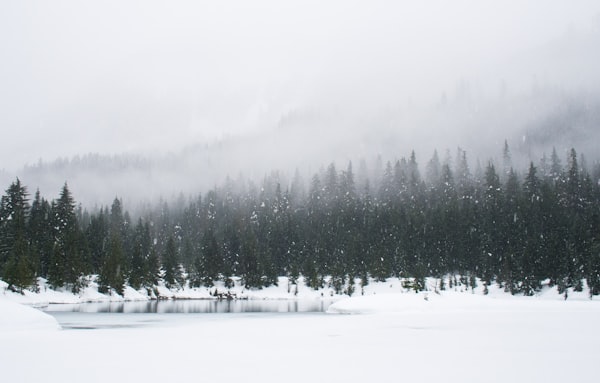
Snow
Ice crystalsCrystal Formation
Water vapor deposits directly onto ice nuclei at -10 to -20ยฐC. Crystal shape depends on temperature and humidity.
Crystal Types
- Plates: -2 to -4ยฐC
- Dendrites: -12 to -16ยฐC (classic snowflake)
- Columns: -5 to -8ยฐC
- Needles: -4 to -6ยฐC
Snow:Water Ratio
Snow Facts
- โ๏ธ No two snowflakes identical (statistically)
- ๐ All crystals have 6-fold symmetry
- ๐ก๏ธ "Too cold to snow" is mostly myth
- ๐๏ธ Snowiest city: Aomori, Japan (8m/year)
- ๐ Single storm record: 1.93m (Silver Lake, CO 1921)
Types of Snowfall
- Lake-effect: Cold air over warm lakes
- Upslope: Air forced up mountains
- Frontal: Warm air riding over cold
- Convective: Thundersnow events
Sleet (Ice Pellets)
Frozen raindropsHow It Forms
Characteristics
- Bounces when hits ground
- Makes "ticking" sound
- Less hazardous than freezing rain
Key Differences from Other Types
- ๐ vs Freezing Rain: Freezes in air, not on contact
- ๐ vs Hail: Forms from rain, not in thunderstorms
- ๐ vs Graupel: Clear/translucent, not white/opaque
Driving Conditions
- ๐ Accumulates on roads like snow
- โ Less slippery than freezing rain
- โ ๏ธ Can hide ice layer underneath
- ๐ Requires thicker warm layer aloft (>500m)

Freezing Rain
Ice glaze on contactHow It Forms
โ ๏ธ Most Dangerous Winter Precip
- Invisible ice on roads
- Tree branches snap under weight
- Power lines collapse
Historic Ice Storms
- ๐จ๐ฆ 1998 North American: $4B damage, 35 deaths, 3 weeks without power
- ๐บ๐ธ 2009 Kentucky: $800M damage, 36 deaths
- ๐บ๐ธ 2021 Texas: Combined with cold, 200+ deaths
Ice Accumulation Effects
- 6mm (0.25"): Minor issues, hazardous driving
- 12mm (0.5"): Trees start breaking, scattered outages
- 25mm (1"): Major damage, widespread outages
- 50mm+ (2"+): Catastrophic, disaster area
Why It's So Dangerous
Ice forms a clear, smooth coating that's nearly invisible. Roads look wet but are actually solid ice. Even salting is less effective because ice forms so quickly on contact.
Hail
Layered ice ballsFormation in Thunderstorms
Strong updrafts carry water droplets above freezing level. They freeze, collect more water, grow larger. Cycle repeats until stone too heavy for updraft.
Size Classification
Hail Records
- ๐ Largest diameter: 20.3 cm (8"), Vivian, SD 2010
- โ๏ธ Heaviest: 1.02 kg (2.25 lb), Bangladesh 1986
- โฌ๏ธ Terminal velocity: Up to 180 km/h for large hail
- ๐ Deadliest: 246 killed, Moradabad, India 1888
"Hail Alley"
Central US (Texas to Nebraska) sees most hail globally. Warm Gulf moisture meets cold Canadian air with Rocky Mountain trigger. Peak: April-June.
Updraft Speed Required
- Pea-sized: ~35 km/h updraft
- Golf ball: ~85 km/h updraft
- Softball: ~160+ km/h updraft
Graupel (Soft Hail)
Rime-coated snowSnow crystals coated with supercooled water droplets (rime). Creates small, soft, opaque pellets. Often mistaken for hail but much softer and crumbly. Common in spring storms.
How to Identify
- โ Crushes easily between fingers (unlike hail)
- โ White/opaque (not clear like sleet)
- โ Small, 2-5mm typical
- โ Looks like tiny styrofoam balls
Formation
Snow crystal falls through cloud with supercooled droplets. Droplets freeze on contact, building up rime coating. Crystal shape lost under rime layer.
Virga
Rain that never reaches groundPrecipitation that evaporates before reaching the surface. Creates dramatic streaks hanging from clouds. Common in dry climates and at high altitudes.
Where It Occurs
- Desert regions (US Southwest)
- High-altitude storms
- Low humidity environments
Hidden Danger
- โ ๏ธ Evaporating rain cools air rapidly
- ๐จ Cold air plunges to surface = microbursts
- โ๏ธ Major aviation hazard
- ๐ช๏ธ Can trigger dust devils/haboobs
Visual Identification
Wispy streaks hanging from cloud base that don't reach ground. Often curved due to wind shear. Creates beautiful sunset displays.
Freezing Drizzle
Fine ice glazeVery fine supercooled water droplets that freeze on contact. Forms thin but very slippery ice layer. Often occurs without warning from low stratus clouds.
Characteristics
- Droplets <0.5mm diameter
- Subtle, hard to see falling
- Ice builds up slowly
Why It's Insidious
- ๐ซ Often not forecast or reported
- ๐๏ธ Hard to see - looks like mist
- ๐ Creates "black ice" conditions
- โ๏ธ Major aircraft icing hazard
Difference from Freezing Rain
Freezing drizzle forms directly in cold clouds (not from melted snow). Smaller droplets, slower accumulation, but equally dangerous on roads.
Dew
Surface condensationWater vapor condenses on cool surfaces when air reaches dew point. Forms at night when surfaces cool by radiation. Important water source in deserts. Not technically precipitation (doesn't fall from clouds).
Dew Formation Conditions
- ๐ Clear night sky (radiational cooling)
- ๐จ Light or calm winds
- ๐ง Sufficient moisture in air
- ๐ก๏ธ Surface cools below dew point
Ecological Importance
- ๐ฆ Primary water source for many desert animals
- ๐ต Cacti and succulents harvest dew
- ๐ธ๏ธ Spider webs collect significant dew
- ๐พ Can equal light rain in some regions
Frost
Ice crystal depositsTypes
- Radiation frost: Clear calm nights, surface cools
- Advection frost: Cold air mass moves in
- Hoar frost: Feathery crystals on objects
Frost vs Frozen Dew
- โ๏ธ Frost: Water vapor deposits directly as ice
- ๐ง Frozen dew: Liquid dew freezes after forming
- ๐๏ธ Frost = crystalline; Frozen dew = smooth
Agricultural Impact
- ๐ฑ Late spring frost destroys blossoms
- ๐ Vineyards use fans, heaters, sprinklers
- ๐ "Last frost date" critical for planting
- ๐ฐ Billions in crop losses annually
Drizzle
Fine light rainVery small droplets (<0.5mm) falling from stratus clouds. Low intensity (<1mm/hr). Common in oceanic climates like UK, Pacific Northwest. Can persist for hours.
Drizzle Characteristics
- ๐ง Droplet size: 0.2-0.5mm
- โฌ๏ธ Falls slowly, seems to float
- โ๏ธ From stratus/stratocumulus clouds
- ๐ซ๏ธ Often with fog or mist
Famous Drizzly Places
- ๐ฌ๐ง UK - 150+ drizzle days/year in west
- ๐บ๐ธ Seattle - "liquid sunshine"
- ๐จ๐ฑ Valdivia, Chile - Cfb climate
- ๐ฎ๐ช Ireland - "soft day"
Rime Ice
Frozen fog/cloud dropletsForms when supercooled fog or cloud droplets freeze on contact with objects. Creates feathery white ice that grows into the wind. Common on mountains, towers, and aircraft.
Two Types
- Soft rime: White, granular, low density
- Hard rime: Denser, more compact
Where to See It
- ๐๏ธ Mountain summit buildings (Mt. Washington)
- ๐ก Radio towers, wind turbines
- ๐ฒ Trees in freezing fog ("pogonip")
- โ๏ธ Aircraft flying through supercooled clouds
Growth Direction
Unlike other ice, rime grows INTO the wind. Creates dramatic feather-like formations pointing windward. Can grow several feet on exposed objects.
๐ก๏ธ Temperature Profile Comparison
| Type | Upper Atmosphere | Middle Layer | Lower Layer | Surface | Result |
|---|---|---|---|---|---|
| Rain ๐ง๏ธ | Above 0ยฐC | Above 0ยฐC | Above 0ยฐC | Above 0ยฐC | Liquid throughout |
| Snow โ๏ธ | Below 0ยฐC | Below 0ยฐC | Below 0ยฐC | Below 0ยฐC | Frozen throughout |
| Sleet ๐ง | Below 0ยฐC | Above 0ยฐC | Below 0ยฐC (thick) | Below 0ยฐC | Refreezes in air |
| Freezing Rain ๐ | Below 0ยฐC | Above 0ยฐC | Below 0ยฐC (thin) | Below 0ยฐC | Freezes on contact |
Monsoons: Seasonal Rains
Large-scale wind reversals bringing life-giving rains to billions
๐ฎ๐ณ South Asian Monsoon
The most powerful monsoon system on Earth. Affects 1.5+ billion people.
Summer (Southwest) Monsoon
- When: June 1 - September 30
- Source: Indian Ocean moisture
- Rainfall: 80% of annual total
- Arrival: "Burst" of monsoon, Kerala first
Winter (Northeast) Monsoon
- When: October - February
- Source: Cold dry air from Siberia
- Effect: Dry season for most of India
- Exception: Tamil Nadu gets winter rains
Monsoon Mechanism
- โ๏ธ Summer: Land heats faster than ocean
- โฌ๏ธ Hot air rises over land = low pressure
- ๐จ Moist ocean air rushes in to replace
- ๐๏ธ Himalayas block and force air upward
- ๐ง๏ธ Massive rainfall on windward slopes
Economic Impact
- ๐พ 60% of India's farmland is rain-fed
- ๐ Poor monsoon = GDP drops 2-5%
- ๐ง Fills reservoirs for entire year
- โ ๏ธ "Make or break" for Indian economy
Failure Years
El Niรฑo years often see weak monsoons. 1877, 1899, 1965, 1972, 2009 were major failures. Can cause crop failures, water shortages, inflation.
๐จ๐ณ East Asian Monsoon
Affects China, Japan, Korea, Taiwan. Multiple names for the same system.
Regional Names
- Mei-Yu (ๆข ้จ): China - "Plum Rain" (June)
- Baiu (ๆข ้จ): Japan - same characters
- Changma (์ฅ๋ง): Korea (June-July)
Characteristics
- Stationary front brings weeks of rain
- Humid, overcast, persistent drizzle
- Mold/mildew issues indoors
- Typhoon season follows
Annual Progression
- ๐ Mid-May: Arrives in southern China
- ๐ Mid-June: Reaches Yangtze Valley
- ๐ July: Moves to Japan, Korea
- ๐ Late July: Retreats southward
- ๐ August-September: Typhoon season begins
Flood Risk
- ๐ Yangtze River floods historically deadly
- ๐๏ธ 1998 flood: 4,000+ deaths, $30B damage
- ๐ง๏ธ Three Gorges Dam built partly for flood control
๐ West African Monsoon
Brings life to the Sahel. Failure causes famines that affect millions.
Seasonal Pattern
- When: June - September
- Peak: August
- Direction: Southwest winds from Gulf of Guinea
- Range: Moves north to ~20ยฐN in summer
Affected Regions
- Sahel belt (Mali, Niger, Chad, Sudan)
- Coastal nations (Nigeria, Ghana, Senegal)
- Affects 300+ million people
ITCZ Connection
- โ๏ธ ITCZ migrates north in summer
- ๐ง๏ธ Brings rain belt into Sahel
- ๐ Position determines wet/dry years
- โ๏ธ Even 100km shift = major impact
Sahel Drought (1968-1985)
- โ ๏ธ 100,000+ deaths from famine
- ๐ Rainfall 30-40% below normal
- ๐๏ธ Desert expanded southward
- ๐ฌ Linked to Atlantic SST patterns
๐บ๐ธ North American Monsoon
Arizona, New Mexico, Sonora Mexico. Brings dramatic afternoon thunderstorms.
Pattern
- When: July 15 - September 30
- Peak: Late July - Early August
- Source: Gulf of California, Gulf of Mexico
- Style: Afternoon/evening thunderstorms
Characteristics
- 50% of Arizona's annual rain
- Flash flood danger in deserts
- Dramatic haboobs (dust storms)
- Relief from extreme summer heat
Daily Cycle
- โ๏ธ Morning: Clear, sunny, hot
- โ๏ธ Early afternoon: Cumulus develop
- โ๏ธ 3-6 PM: Thunderstorms erupt
- ๐ Evening: Storms dissipate
- ๐ Night: Clear, cooler
Hazards
- โก Frequent lightning (fire starter)
- ๐ Flash floods in dry washes
- ๐ช๏ธ Haboobs reduce visibility to zero
- ๐จ Microbursts with 100+ mph winds
๐ฆ๐บ Australian Monsoon
Northern Australia's "wet season." Darwin's dramatic transformation.
Seasonal Pattern
- When: December - March (Southern summer)
- Peak: January - February
- Source: Indonesian/Timor Sea moisture
- Rainfall: 90% of annual total
Characteristics
- Darwin: 1700mm in wet, 25mm in dry
- Daily thunderstorms, often spectacular
- Tropical cyclone risk
- Flooding isolates communities
Darwin Weather
- ๐ง๏ธ Wet season: 1700mm rain, high humidity
- โ๏ธ Dry season: Almost no rain May-October
- ๐ก๏ธ Temperature stable year-round (25-33ยฐC)
- โก World's highest lightning density
Indigenous Seasons
Aboriginal Australians recognize 6 seasons, not 2. "Build-up" (hot humid, pre-monsoon) and "knock 'em downs" (first storms that flatten grass) are distinct periods.
๐น๐ญ Southeast Asian Monsoon
Thailand, Vietnam, Cambodia, Malaysia. Complex system with regional variations.
Two Distinct Patterns
- Mainland: May-October wet (SW monsoon)
- Eastern coasts: Oct-Feb wet (NE monsoon)
- Malaysia/Singapore: Two wet seasons
Regional Variations
- ๐น๐ญ Bangkok: Green season May-Oct
- ๐ป๐ณ Ho Chi Minh: May-Nov wet
- ๐ฎ๐ฉ Bali: Nov-Mar wet season
Why It's Complex
- ๐๏ธ Island geography fragments airflow
- ๐ Surrounded by warm seas
- ๐๏ธ Mountains create rain shadows
- ๐ Spans both hemispheres
Travel Tip
When one coast is wet, the other is often dry. Vietnam's east coast is wet Oct-Feb while Thailand's west coast is dryโgreat for planning Southeast Asia trips year-round.
๐ง๐ท South American Monsoon
Brings wet season to Brazil, Bolivia, Paraguay. Critical for Amazon and agriculture.
Pattern
- When: October - March (Southern summer)
- Peak: December - February
- Source: Amazon moisture + Atlantic trade winds
- Range: Amazon to northern Argentina
Affected Areas
- Amazon Basin (heaviest)
- Cerrado (Brazilian savanna)
- Pantanal wetlands
- La Plata Basin
"Flying Rivers"
- ๐ณ Amazon trees "breathe" moisture into air
- ๐จ Winds carry it south as "atmospheric rivers"
- ๐ง๏ธ Falls as rain over agricultural regions
- โ ๏ธ Deforestation disrupts this cycle
Climate Change Concern
Amazon deforestation is weakening the monsoon. Less forest = less moisture recycling = drier conditions further south. Brazil's agricultural heartland depends on this rainfall.
๐ฎ๐ฉ Maritime Continent Monsoon
Indonesia, Philippines, Malaysia. World's largest archipelago creates unique patterns.
The Maritime Continent
- 17,000+ islands spanning 5,000 km
- Warm ocean on all sides
- Highest rainfall region on Earth
- Links Asian and Australian monsoons
Regional Pattern
- Jakarta: Nov-Mar wet, Jun-Sep dry
- Singapore: Nov-Jan wetter
- Manila: Jun-Nov wet (typhoon season)
Global Climate Importance
- ๐ก๏ธ Releases 1/3 of global tropical rainfall
- โฌ๏ธ Massive convection drives global circulation
- ๐ Walker Circulation anchor point
- ๐ฅ Indonesian fires (dry years) = global haze
El Niรฑo Impact
El Niรฑo brings drought to Indonesia. 1997-98: Massive fires, smoke reached Australia. 2015: Fires released more CO2 than entire EU economy.
Flooding Types
Understanding flood mechanisms saves lives - know the warning signs
โก Flash Flood
- Within 6 hours of rain
- Steep terrain, urban areas
- Little warning time
- Most deadly flood type
- 2-3 feet can sweep away cars
Survival Rules
- ๐ "Turn Around, Don't Drown"
- โฌ๏ธ Move to higher ground immediately
- ๐ซ Never walk through flowing water
- ๐ Half of deaths occur at night
- ๐ Most deaths in vehicles
๐๏ธ River Flood
- Days to weeks to develop
- Prolonged rain or snowmelt
- More predictable
- Can last weeks
- Affects wide areas
Flood Stages
- ๐ Action: River approaching banks
- ๐ Minor: Some lowland flooding
- ๐ Moderate: Evacuations needed
- ๐ Major: Widespread damage
๐ Coastal Flood
- Storm surge from hurricanes
- King tides
- Sea level rise worsening
- Saltwater intrusion
- Long-term damage
Storm Surge Facts
- ๐ Katrina: 8.5m (28 ft) surge
- โ ๏ธ #1 hurricane killer historically
- ๐ 1m sea level rise = surge reaches further inland
- โฐ Happens quickly during landfall
๐๏ธ Urban Flood
- Impervious surfaces
- Overwhelmed drainage
- Can occur with any rain
- Basements, underpasses
- Increasing with development
Why Cities Flood More
- ๐ ฟ๏ธ Parking lots, roofs = no absorption
- ๐ณ Trees and soil removed
- ๐ Storm drains designed for past climate
- ๐ง๏ธ Rainfall intensifying with climate change
๐๏ธ Glacial Lake Outburst
Glacial lakes burst through ice or moraine dams. Catastrophic flooding downstream. Increasing with glacier melt. Called "GLOF" or "jรถkulhlaup."
๐ง Ice Jam Flood
Ice blocks river flow, water backs up. When jam breaks, sudden flood downstream. Common in spring thaw. Northeast US, Canada, Russia.
๐๏ธ Dam Failure Flood
Dam breaks from age, overtopping, or earthquake. Wall of water downstream. Often no warning. Deadliest: 1975 Banqiao Dam, China - 170,000+ deaths.