
🏆 World Temperature Records
Heat Phenomena
Extreme warming events, urban effects, and deadly heat thresholds
Heat Wave
Prolonged extreme heatDefinition (varies by region)
- 2+ days >90th percentile temps
- Or >35°C for 3+ consecutive days
- Relative to local climate norms
Deadliest Heat Waves
- Europe 2003: 70,000+ deaths
- Russia 2010: 55,000 deaths
- India 2015: 2,500+ deaths
- Pacific NW 2021: 49.6°C in Canada
⚠️ Heat Index Chart
Survival Tips
- 🚰 Drink water every 15-20 minutes, even if not thirsty
- 🏠 Stay indoors during peak hours (10am-4pm)
- 👕 Wear loose, light-colored, breathable clothing
- 🚗 NEVER leave children or pets in parked vehicles
- 🧊 Apply cold water to wrists and neck
Wet Bulb Temperature
Human survivability limitThe Fatal Threshold
What It Means
Wet bulb temp combines heat and humidity. At 35°C WBT, sweating stops working. Even healthy people in shade with unlimited water die within 6 hours.
Lethal Combinations
- 40°C + 75% humidity = 35°C WBT (fatal)
- 45°C + 50% humidity = 35°C WBT (fatal)
- 50°C + 26% humidity = 35°C WBT (fatal)
- 50°C + 20% humidity = 30°C WBT (survivable with caution)
Regions Approaching Limit
- 🌍 Persian Gulf (already hit 34.6°C WBT)
- 🌍 Indus Valley, Pakistan
- 🌍 North China Plain
- 🌍 Amazon Basin (humidity + heat)
By 2100 Projections
Without emissions cuts, parts of South Asia, Middle East, and Gulf may regularly exceed 35°C WBT, making outdoor labor impossible and displacing millions.
Heat Dome
Trapped high pressure systemHow It Forms
- High pressure parks over a region
- Acts like a lid trapping hot air
- Sinking air compresses and heats further
- Can persist for days to weeks
Notable Events
- 2021 Pacific NW: Lytton, Canada hit 49.6°C
- 2022 UK: First ever 40°C in England
- 2023 Southwest US: Phoenix 31 days >43°C
Why It's Deadly
- 🌙 Nighttime temps stay high (no recovery)
- 📈 Cumulative heat stress builds daily
- ⚡ Power grid overload from A/C demand
- 🌾 Crops wilt rapidly, livestock die
- 🔥 Extreme wildfire conditions
Climate Change Link
Heat domes are becoming more frequent, intense, and longer-lasting due to climate change. The jet stream is weakening, allowing high pressure systems to stall for longer periods.
Urban Heat Island
Cities as heat trapsTemperature Difference
Causes
- Dark surfaces (asphalt, roofs) absorb heat
- Less vegetation = less evaporative cooling
- Waste heat from vehicles, A/C, industry
- Building canyons trap warm air
Mitigation Strategies
- 🌳 Urban tree planting (shade + evapotranspiration)
- ⬜ Cool roofs (white/reflective surfaces)
- 🌿 Green roofs and vertical gardens
- 💧 Permeable pavements
- 🏞️ Urban parks and green corridors
- 💨 Building orientation for wind flow
Hottest US Cities (UHI Effect)
New Orleans, Newark, New York, Houston, and San Francisco experience the strongest UHI effects. Phoenix, despite being desert, has a UHI up to 6°C at night.
Heat Burst
Sudden nighttime heat spikeWhat Happens
A rare phenomenon where temperatures suddenly spike 10-20°C in minutes, often at night, accompanied by strong dry winds. Humidity can drop to near 0%.
Record Events
- 2011 Oklahoma: 41°C at midnight
- 1960 Kansas: 26°C jump in minutes
- 2008 Australia: 47°C heat burst
Formation Mechanism
- Rain falls from a dying thunderstorm
- Rain evaporates in dry air below cloud
- Evaporation cools the air, making it dense
- Dense air plunges to ground rapidly
- Compression heats the air dramatically (adiabatic heating)
- Result: sudden hot, dry, gusty wind at surface
Dangers
Can damage crops, stress livestock, and create sudden fire weather conditions. Often mistaken for instrument errors due to how extreme the readings are.
Saharan Air Layer
Transcontinental dust transportCharacteristics
- Hot, dry, dusty air mass from Sahara
- Travels at 1.5-4.5 km altitude
- Crosses Atlantic in 5-7 days
- Most active June-August
Effects
- Suppresses hurricane formation
- Creates hazy, orange skies
- Vivid red/orange sunsets
- Fertilizes Amazon rainforest
Why It Suppresses Hurricanes
- Extremely dry air (humidity often <30%)
- Dry air disrupts the moist convection hurricanes need
- Dust particles = poor cloud condensation nuclei
- Wind shear within SAL tears apart developing storms
Amazon Connection
About 27 million tons of Saharan dust reaches the Amazon annually, providing phosphorus that fertilizes the rainforest. Without it, the Amazon would be nutrient-poor.
Cold Phenomena
Polar outbreaks, dangerous wind chills, and unique winter events
Cold Wave
Rapid temperature dropCauses
- Polar vortex breakdown: Arctic air spills south
- Cold air outbreaks: High pressure systems
- Radiational cooling: Clear nights
Wind Chill
Wind increases heat loss from exposed skin. At -30°C with 40 km/h wind, frostbite can occur in under 10 minutes.
Wind Chill Chart
Frostbite Timeline
- -10°C to -27°C: 30+ minutes exposure
- -28°C to -39°C: 10-30 minutes exposure
- -40°C to -47°C: 5-10 minutes exposure
- Below -48°C: Under 5 minutes exposure
Polar Vortex
Arctic circulation patternWhat It Is
Large area of cold air and low pressure around poles. When stable, keeps cold air in Arctic. When weakened (often by warming), allows cold air to spill into mid-latitudes.
2019 Event
Chicago reached -31°C (-52°C wind chill). Colder than Antarctica at the time. Schools, businesses closed for days.
Sudden Stratospheric Warming
When the stratosphere over the Arctic suddenly warms (up to 50°C in days), it can split or displace the polar vortex, sending frigid air toward lower latitudes.
Why It's Happening More
- Arctic warming reduces temperature gradient with mid-latitudes
- Weaker gradient = weaker jet stream
- Weaker jet stream = more "wavy" patterns
- Wavy jet stream = cold air escapes south more easily
Lake-Effect Snow
Intense localized snowfallHow It Works
- Cold air passes over warmer lake water
- Air picks up moisture and heat
- Rises rapidly, forms clouds
- Dumps heavy snow on downwind shores
Snowfall Rates
Can produce 5-15 cm (2-6 inches) per hour. Buffalo, NY once received 150 cm (60 inches) in 3 days. Narrow bands (20-50 km wide).
"Snowbelt" Cities
- 🇺🇸 Buffalo, NY (Lake Erie) - 240 cm/year
- 🇺🇸 Syracuse, NY (Lake Ontario) - 310 cm/year
- 🇺🇸 Cleveland, OH (Lake Erie) - 170 cm/year
- 🇺🇸 Marquette, MI (Lake Superior) - 380 cm/year
- 🇨🇦 Owen Sound, ON (Georgian Bay) - 340 cm/year
Key Requirements
- Lake-air temp difference of 13°C+ needed
- Long fetch (distance wind travels over water)
- Unfrozen lake surface
- Climate change = less ice = more lake-effect snow (for now)
Frost Quake
Cryoseism - ice-induced shakingWhat It Is
A loud boom and ground shaking caused by sudden freezing of water-saturated soil or rock. Often mistaken for earthquakes or explosions.
When It Happens
- Rapid temperature drop (flash freeze)
- Ground is saturated (after rain/melt)
- Water expands as it freezes → cracks ground
Experience
- 💥 Sound like gunshot, thunder, or explosion
- 🏠 Can shake houses and wake people up
- 🌍 No seismic signature on earthquake monitors
- ✅ Cannot damage structures (too shallow/small)
Where They Occur
Common in Canada, northern US, and Scandinavia. Typically happen in late night when temperatures plunge fastest. Often occur multiple times during one cold snap.
Diamond Dust
Ground-level ice crystalsWhat It Is
Tiny ice crystals suspended near the ground, sparkling in sunlight. Not precipitation - forms in place from water vapor in extremely cold air.
Requirements
- Temperature below -15°C (often -30°C or colder)
- Clear sky with light wind
- Some moisture in the air
Optical Effects
- ☀️ Sun halos (22° rings around sun)
- 🌟 Sun pillars (vertical light columns)
- 🔮 Sundogs (bright spots beside sun)
- ✨ Glitter effect on ground surface
Where to See It
Common in Antarctica, Arctic regions, and interior continental areas in winter. The ice crystals are tiny hexagonal plates that act as millions of tiny prisms.
Bomb Cyclone
Explosive cyclogenesisDefinition
A mid-latitude cyclone that intensifies rapidly, with pressure dropping at least 24 millibars in 24 hours. Creates hurricane-force winds.
Impact
- Blizzard conditions with whiteout visibility
- Coastal flooding from storm surge
- Hurricane-force wind gusts
- Widespread power outages
Formation Requirements
- Strong temperature contrast (cold continent, warm ocean)
- Upper-level jet stream support
- Most common over northwestern Atlantic and Pacific
- Peak season: October through March
Notable Events
- 2018 Nor'easter: 59 mb drop in 24h
- 2019 Central US: -24 mb in 24h, 100+ mph winds
- 2022 Christmas: Killed 50+ in US, -40°C in some areas
Famous Local Winds
Named winds shaped by geography, affecting weather and culture worldwide
Santa Ana
Southern California- Hot, dry winds from desert
- Oct-Mar peak (fall fire season)
- 60-100+ km/h gusts
- Humidity drops below 10%
- Prime wildfire conditions
- "Devil winds" - linked to mood changes
Formation
High pressure over Great Basin pushes air westward. Air compresses and heats as it descends through mountain passes, arriving hot, dry, and gusty.
Fire Connection
- Most destructive CA wildfires occur during Santa Anas
- Camp Fire (2018), Woolsey Fire, Thomas Fire
- Embers can travel miles ahead of fire front
Chinook / Föhn
Rockies / Alps- Warm dry downslope wind
- Temperature jumps 20-30°C in hours
- 1943: Spearfish SD, +27°C in 2 minutes!
- "Snow eater" - melts snow rapidly
- Föhn headaches common in Alps
The Science
- Moist air rises on windward side, cools at ~6°C/km
- Moisture condenses, releasing latent heat
- Now-dry air descends leeward side, warms at ~10°C/km
- Result: air arrives warmer than it started
Other Names
Zonda (Argentina), Nor'wester (New Zealand), Canterbury Arch (NZ), Puelche (Chile), Austru (Romania).
Mistral
Southern France- Cold dry northerly wind
- Funnels down Rhône Valley
- 100+ km/h possible
- Clears skies, good visibility
- Can blow for days
- Cypress trees bend permanently
Cultural Impact
- Provençal saying: "Mistral blows 3, 6, or 9 days"
- Van Gogh painted during Mistral, claimed it affected his art
- Traditional architecture oriented to block wind
- Named for "magistral" (masterly/dominant)
Sirocco
Mediterranean- Hot dusty wind from Sahara
- Carries red desert dust
- Can raise temps 20°C
- Deposits dust across Europe
- "Blood rain" when mixed with precipitation
Regional Names
- 🇮🇹 Scirocco (Italy)
- 🇪🇸 Xaloc or Jaloque (Spain)
- 🇭🇷 Jugo (Croatia)
- 🇲🇹 Xlokk (Malta)
Health Effects
Associated with lethargy, irritability, and headaches. Italian courts historically considered Sirocco as a mitigating factor in crimes of passion.
Bora
Adriatic Sea- Cold dry katabatic wind
- Descends from mountains to coast
- 150+ km/h gusts possible
- Creates dramatic sea spray
- Can freeze instantly on contact
Extreme Effects
- Sea spray freezes on ships, buildings, roads
- Ships have capsized from ice buildup
- Trieste, Italy: chains installed for pedestrians
- Can blow cars off roads
Two Types
"Svetla bura" (bright bora) - clear skies, sunshine. "Tamna bura" (dark bora) - cloudy with precipitation.
Harmattan
West Africa- Dry dusty wind from Sahara
- Nov-Mar (dry season)
- Reduces visibility severely
- Drops humidity below 15%
- Cools tropical coast temporarily
Health Effects
- Cracked lips and dry skin common
- Respiratory issues from dust
- Eye irritation widespread
- Positive: suppresses mosquitoes, reduces malaria
Regional Impact
Called "the doctor" because it provides relief from humid heat. Airports frequently close due to visibility below minimums.
Haboob
Dust/Sandstorm Wall- Wall of dust/sand up to 1500m high
- Caused by thunderstorm downdrafts
- Winds 50-100 km/h
- Visibility drops to near zero instantly
- Common: Sudan, Arizona, Australia
Safety
- 🚗 Pull off road completely, turn off lights
- Keeping lights on may cause rear-end collisions
- Cover nose and mouth
- Duration typically 10-30 minutes
Etymology
From Arabic "habūb" meaning "blowing furiously." The term was adopted in Arizona after a 2011 storm, though some locals resist the Arabic name.
Katabatic Winds
Gravity-driven drainage- Cold air drains downslope
- Driven by gravity (denser cold air)
- Antarctica: 300 km/h recorded
- Also: Bora, Mistral, Piteraq
- Opposite: Anabatic (upslope)
Antarctic Katabatics
The ice sheet acts as a giant cold reservoir. Cold air flows continuously toward the coast, accelerating as it funnels through valleys. Cape Denison averages 80 km/h winds year-round.
Examples Worldwide
- Piteraq (Greenland) - can exceed 300 km/h
- Oroshi (Japan) - cold mountain wind
- Santa Ana - warm katabatic variant
- Williwaw (Alaska) - sudden violent gusts
Sea & Land Breeze
Daily coastal cycle- Sea breeze: day, ocean → land
- Land breeze: night, land → ocean
- Driven by differential heating
- Extends 20-50 km inland
- Cools coastal areas in summer
Sea Breeze Front
The leading edge of sea breeze air can trigger thunderstorms. In Florida, colliding sea breezes from both coasts meet in the center, creating the state's famous afternoon thunderstorms.
Timing
- Sea breeze starts: 10am-noon, peaks afternoon
- Calm transition: around sunset
- Land breeze starts: 2-3 hours after sunset
- Land breeze weaker than sea breeze
Atmospheric Optical Phenomena
Light effects created by water droplets, ice crystals, and temperature gradients
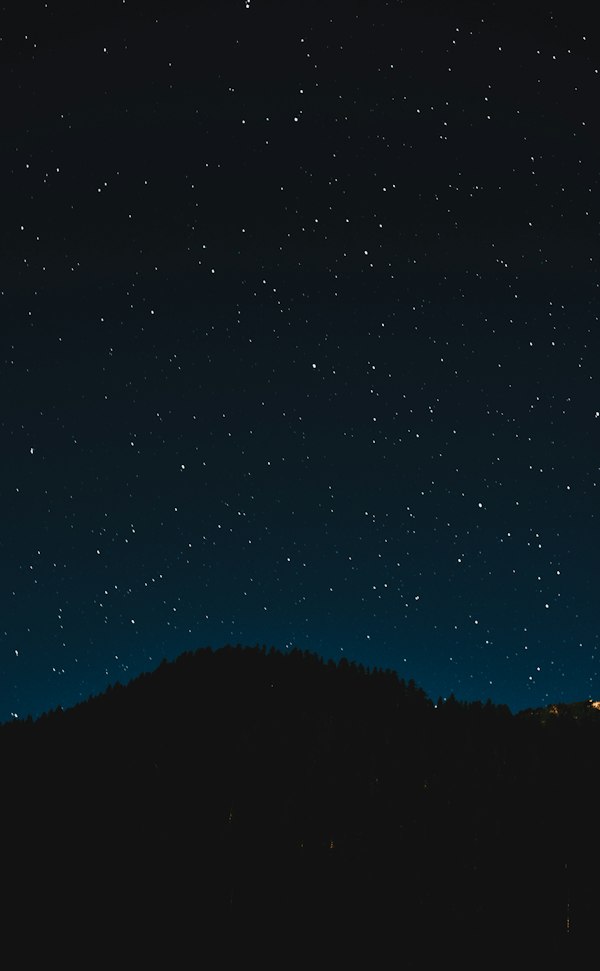
🌈 Rainbow
Sunlight refracted and reflected inside water droplets. Always opposite the sun. Double rainbows have reversed colors.
Types
- Primary rainbow: 42° from anti-solar point
- Secondary: 51°, colors reversed, dimmer
- Supernumerary: faint bands inside primary
- Fogbow: white, seen in fog
- Moonbow: rare, from moonlight
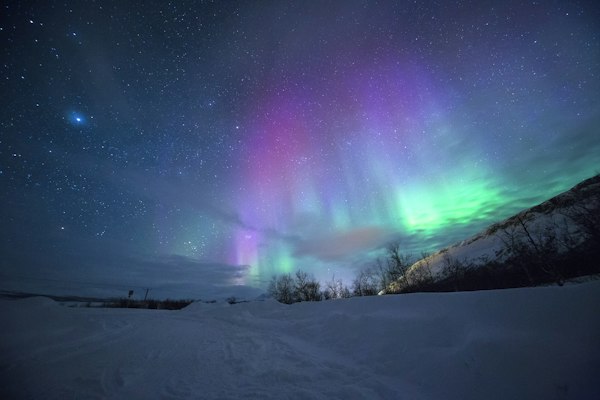
🌌 Aurora
Solar wind particles excite atmospheric gases. Green from oxygen at 100-300km, red from oxygen above 300km, blue/purple from nitrogen.
Viewing Tips
- Best at high latitudes (65-72°)
- Kp index of 5+ for mid-latitude viewing
- Peak activity: equinoxes (March, September)
- Need dark skies, clear weather
- Solar maximum = more frequent displays
☀️ Solar Halo
22° ring around sun from ice crystals in cirrus clouds. Often indicates incoming weather front. "Ring around the moon, rain by noon."
Other Halo Types
- 22° halo: most common, faint red inner edge
- 46° halo: larger, rarer, fainter
- Circumzenithal arc: "smile" above sun, vivid colors
- Parhelic circle: horizontal ring through sun
🔮 Sundogs (Parhelia)
Bright spots 22° to left and right of sun. Caused by hexagonal ice crystals. Most visible when sun is low. Also called "mock suns."
Formation
- Hexagonal plate ice crystals drift horizontally
- Light enters one side, exits another at 22°
- Red edge closest to sun, blue edge away
- Can appear with or without 22° halo
🏜️ Mirage
Light bent by temperature gradient. Inferior mirage: hot surface creates "water" appearance. Superior mirage: cold surface creates inverted images.
Types
- Inferior: "Water" on hot roads/deserts
- Superior: Objects appear elevated, inverted
- Fata Morgana: Complex layered mirage, ships appear floating
- Green Flash: Brief green spot at sunset
💚 Green Flash
Brief green spot as sun sets/rises. Atmospheric dispersion separates colors, green last to disappear. Requires clear horizon (ocean view best).
How to See It
- Clear, stable atmosphere required
- Unobstructed horizon (ocean ideal)
- Don't stare at sun until final seconds
- Duration: 1-2 seconds typically
- Green ray: even rarer vertical beam